
When it comes to getting cosmetic treatments in Korea, nine out of ten of my friends mention the dilemma of not knowing where to go—official websites are all in Korean, there’s too much misinformation online, and they’re worried about getting overcharged when they get to Seoul. I was no exception. It wasn’t until last month, when I went to Seoul with a close friend and tried out the TUP Dermatology clinic in Gangnam District, which is said to be popular even among local Koreans, that I really got some insights.
What follows is a detailed account of my personal experience, without any advertising hype—it’s just a straightforward record. I hope it can be helpful for anyone considering skin treatment in Seoul.
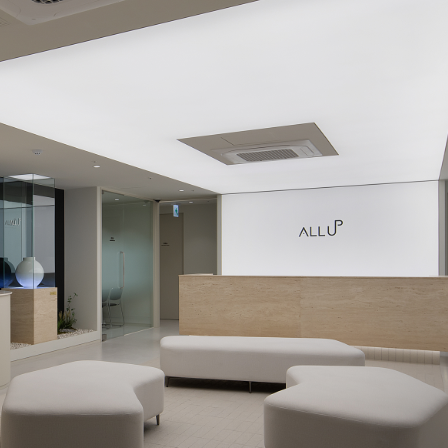
Why choose TUP?
To be honest, I first heard about TUP when I was looking for a dermatology clinic in Gangnam on the BeautsGO platform. I was attracted by the following factors:
- No assembly-line approach: They only accept a limited number of patients per day, and each patient receives a personalized consultation and treatment plan directly from the chief physicians, rather than being approached by assistants with standard scripts before being pushed into packages.
- Three chief physicians: Dr. Kim Nan-hoon (with 14 years of experience in photoelectric anti-aging treatments), Dr. Lee In-seo (a favorite among idol stars for injection treatments), and Dr. Zhou Dong-jun (an expert in laser therapy)—each with their own areas of expertise.
- Genuine equipment: They use genuine versions of devices such as the American-made Ulthera, Thermage, and the Korean version of Thermage, and you can check the serial numbers of the devices on-site.
- Same prices as in Korea: The prices listed on BeautsGO are the same as those in Korea, with no additional surcharges for foreigners (only a 10% additional tax).
All these points were very important to me, especially the last one. I had heard that someone who went to a certain clinic in Gangnam for a hyaluronic acid treatment spent nearly one-third more than a friend of mine who went to Korea at the same time. So, seeing that the prices are the same as in Korea really puts my mind at ease.
Reservation process: Completely seamless with BeautsGO
Three weeks in advance, I found TUP Dermatology on the BeautsGO platform. After checking the director’s profile, main services, and user reviews, I directly booked an appointment online. The entire reservation process was done through a Chinese interface and took just five minutes. No Korean language was required, and there was no need to worry about time zone differences or communicate over the phone.
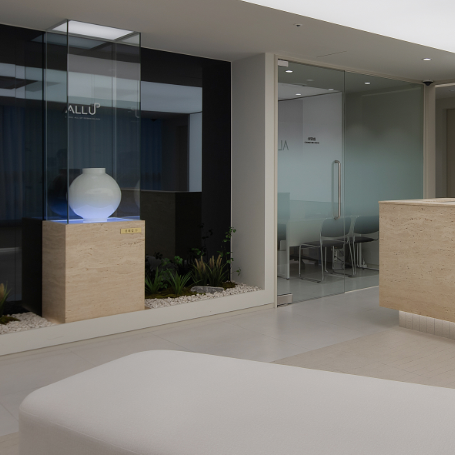
After confirming the reservation, you will receive an email with the clinic address, subway route (about a 3-minute walk from Exit 3 of Xuanling Station on Line 2), and a list of materials needed for the appointment. Such attention to detail makes people feel confident in the service.
On the day of the appointment: From reception to the consultation
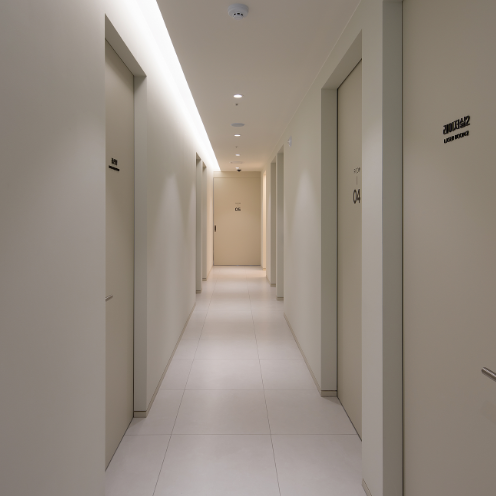
I arrived at the clinic around 2 p.m. on a Thursday, and the environment was much quieter than I expected—no queues. Upon entering, a staff member confirmed my reservation. Since I booked through BeautsGO, the entire consultation was conducted with Chinese interpretation, ensuring zero language barriers from filling out forms to the actual consultation.
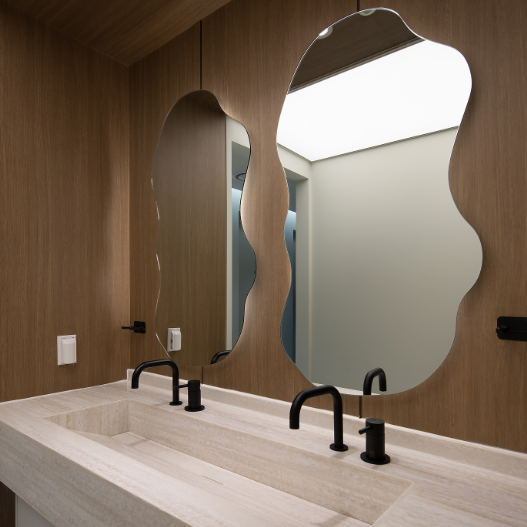
The waiting area is small, with several comfortable chairs and a small refreshment table. There are no large LED screens displaying advertisements, and no staff trying to sell additional services, which helped me relax.
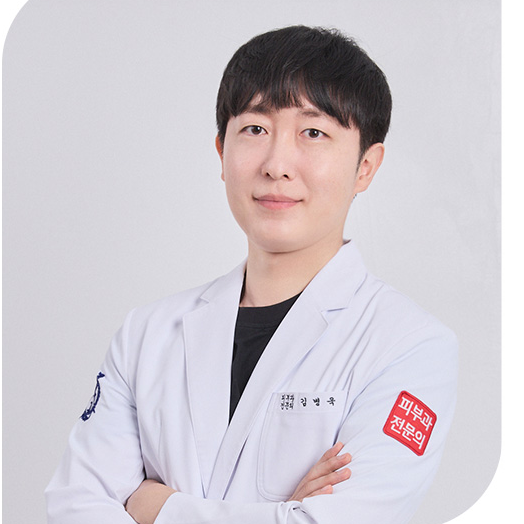
Director Kim Nan-hoon personally conducted the consultation. First, the VISIA device was used to scan my skin, generating a detailed report with 12 indicators, including the distribution of spots, UV damage, and pore condition. Based on this report, he explained which issues needed immediate attention and which could be managed with regular care—he clearly identified the problems without trying to push all possible treatments on me.
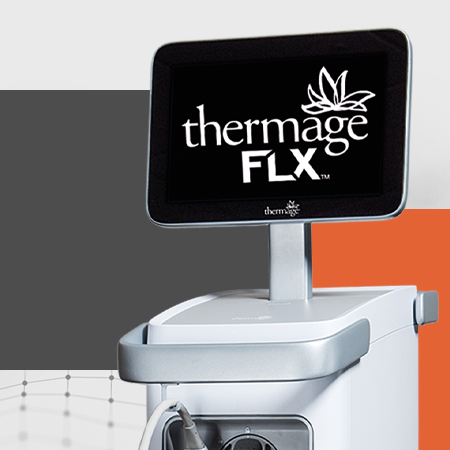
My main concerns at that time were mild wrinkles, enlarged pores around the nose, and a generally dull skin tone. The director recommended the Oligio Korean version of Thermage for anti-aging – it was suitable for someone like me who had never undergone any photoelectric treatments before. The results were stable, the recovery was quick, and the price was relatively reasonable.
Treatment Experience: Actual Results of Oligio Korean Thermage
In the end, I decided to choose the Oligio 600 treatment, focusing it on my cheeks and jawline. Before the treatment started, the nurse applied some numbing cream and I waited for about 25 minutes.
During the treatment, there was a slight burning sensation, especially in bony areas like the cheekbones, but it was within an acceptable range and not painful enough to cause you to cry out. The doctor operated very carefully, explaining exactly how many pulses would be delivered to each area and what the energy setting was (she also told me this while translating), so it wasn’t a completely unknown process.
The entire treatment took about 45 minutes. Afterward, my face turned slightly red, but the nurse applied cold compresses for 15 minutes, so by the time I left the clinic, it was hardly noticeable that I had just had the treatment.
Post-treatment: Feedback the same night in the hotel and again after a week
That same night in the hotel, I followed the care instructions given by the clinic: I didn’t wash my face with hot water, avoided exercising, and applied the chamomile repair mask they provided. The next morning, my face was no longer red at all, and it felt tighter. It wasn’t an exaggerated improvement, but a subtle enhancement indeed.
About a week after returning to Taiwan:
- The wrinkles are visibly less noticeable; they haven’t disappeared completely, but they have definitely become shallower.
- The contour of my cheeks seems to have lifted a bit, and from the side, my face looks tighter overall.
- My skin tone hasn’t improved significantly (since this isn’t really Oligio’s main focus), but the texture of my skin has become finer.
- I didn’t get any new pimples throughout the month, and my skin seems more stable than before the procedure.
The actual cost
The Oligio 600 treatment I had was initially priced at 1.18 million Korean won (about NT$2,700). With a 10% surcharge, the total amount came to 1.298 million Korean won. The final amount I paid was exactly what was listed on the BeautsGO platform; there were no hidden fees at all.
Overall, TUP’s pricing is in line with mid-to-high-end dermatology services in Jiangnan. It’s not one of those heavily discounted special offer places, but it’s also not excessively expensive. Compared to similar services in Taiwan, using the same genuine equipment and with doctors of equivalent qualifications, the prices here are still lower.
Below are some reference prices for common treatments at TUP for those who may want to compare:
| Treatment | Specifications | Reference price (Korean won) |
|---|---|---|
| Oligio Korean version Thermage | 300 sessions | 680,000 |
| Oligio Korean version Thermage | 600 sessions | 1.18 million |
| Thermage American version Thermage | 600 sessions | 2.58 million |
| SHURINK Korean Version Ultrasound Knife | 300 shots | 350,000 |
| Ulthera American Version Ultrasound Knife | 300 shots | 1.29 million |
| Lizhu Lan Black Box Hydrating Treatment | 2 cc | 380,000 |
| Mint Rose Thread Lift | Each one | Starting from 200,000 |
| Jojoba Hyaluronic Acid | 1cc | 480,000 |
(The above are for reference only; the actual price is subject to the latest rates of the clinic, with an additional 10% tax.)
Some sincere suggestions

Based on this experience, I would like to share some things with friends who are considering going to TUP or other dermatology clinics in Jiangnan:
- Book at least two to three weeks in advance: TUP operates on a reservation basis, and Dr. Kim Nan-hoon’s appointments are particularly hard to get, as they are usually full on weekends.
- Bring your passport: It is required for both registration during the consultation and for issuing receipts. Some treatments may also require it for tax refunds.
- Use less skincare products before the procedure: It is not recommended to apply thick skincare products other than sunscreen on the day of the treatment, as this can affect the effectiveness of the equipment used.
- Avoid taking baths or saunas for one week after the procedure: This is a recommendation from the clinic. After photorejuvenation, the skin’s barrier is relatively weak, and high-temperature environments can easily cause inflammation.
- Using BeautsGO for reservations saves a lot of trouble: The platform offers Chinese-speaking customer service, so you can explain your skin condition and language preferences in advance, ensuring no communication issues at the clinic.
Basic information about TUP Dermatology
- Address: 1st Floor, Seobang Building, 433 Seonyeong-ro, Gangnam-gu, Seoul
- Transportation: Exit 3 of Seonyeong Station on Line 2, then walk for about 3 minutes.
- Opening hours: Monday, Tuesday, Thursday, Friday 10:00–20:00; Saturday 10:00–15:00; closed on Wednesday and Sunday.
- Features: One-on-one consultations with the director, genuine optical equipment, same prices as in Korea, and Chinese-speaking services.
- Reservation methods: Online reservation via the BeautsGO platform (recommended) / LINE / Email.
Overall, TUP gave me the impression of being a “reputable high-end private clinic” – no exaggerated claims, no aggressive sales tactics, transparent equipment information, and direct communication from the doctors. Of course, it’s suitable for those who seek quality treatment within a budget. If you’re looking for cheap and quick options, you may need to consider other alternatives.
If you are also planning a skin care trip to Seoul, feel free to reserve a consultation at TUP using the methods below, or you can send us an email if you have any questions:
![[Recommended by Gangnam Dermatology Institute in South Korea] Is Hongdae MIND Dermatology worth visiting? Specialized one-on-one consultation experience | BeautsGO reservation guide缩略图](https://intlmed.cceeo.com/wp-content/uploads/2026/05/lumiin_env_3.png "[Recommended by Gangnam Dermatology Institute in South Korea] Is Hongdae MIND Dermatology worth visiting? Specialized one-on-one consultation experience | BeautsGO reservation guide缩略图")
![[Recommended by Gangnam Dermatology Institute in South Korea] Is the Leaders Apgujeong store of Leaders reliable? First-hand experience with Collagen injections | BeautsGO reservation guide缩略图](https://intlmed.cceeo.com/wp-content/uploads/2026/05/env_8_87fac84f.png "[Recommended by Gangnam Dermatology Institute in South Korea] Is the Leaders Apgujeong store of Leaders reliable? First-hand experience with Collagen injections | BeautsGO reservation guide缩略图")