
After turning 30, I began to realize something: skin problems on my face could no longer be resolved simply by using skincare products.
The Nasolabial Fold Correction has gradually deepened, and the fine lines at the corners of my eyes become more noticeable whenever I take photos. In the morning, my face feels saggy—even though I maintain a regular schedule and use plenty of skincare products, the results seem to be becoming less and less effective. My mom says, “It’s normal; everyone ages in this way,” but I’m not willing to accept that.
And so, I planned a trip to South Korea, with photorejuvenation as the main purpose of my journey. Before booking my flight, I did a great deal of research on various platforms – the process turned out to be much more complicated than I had imagined, and it also gave me a completely new understanding of the concept of “Dermatology in South Korea”.
In particular, there was one question that troubled me for a long time: With so many Dermatology clinics in South Korea, what exactly is the difference between “streamlined” and “non-streamlined” treatment approaches? For someone like me in my early 30s who is looking for anti-aging solutions, which approach should I choose?
This article reflects the process of reflection and the final decision I made based on my own experiences. If you are also struggling with similar issues, I hope it can be of some help to you.

1. When I first did this homework, the term “assembly line” completely confused me.
When I first started planning this trip to South Korea, my understanding of Dermatology was simply that “I just needed to find a reliable place to undergo HIFU or Thermage treatment.” It wasn’t until I read numerous posts on REDnote that I realized how much more the term “assembly line” actually implied.
Some people say that the assembly-line approach is cheaper and offers a better cost-performance ratio; others argue that it’s nothing but a revolving door, with doctors coming and going so quickly that it’s impossible to remember what treatments were actually performed. There was also a quote that left a deep impression on me:
“I had an HIFU treatment at a very popular Dermatology clinic in Gangnam. The whole process took 45 minutes from the time I entered the clinic until I left. The department head asked me to sign a consent form, and then a doctor I had never seen before performed the procedure. After that, they just told me to leave without even giving me the chance to ask any questions.” —— REDnote user @Mumu Loves Beauty
These words made me vigilant. What I was going to undergo was a anti-aging treatment, not a quick-service product. The 45-minute HIFU procedure made me feel uneasy. However, I didn’t completely reject the concept of a “assembly line” approach—after all, the term itself is not derogatory, and high efficiency and transparent pricing are indeed advantages.
The question is: Which type of procedure is actually right for me?
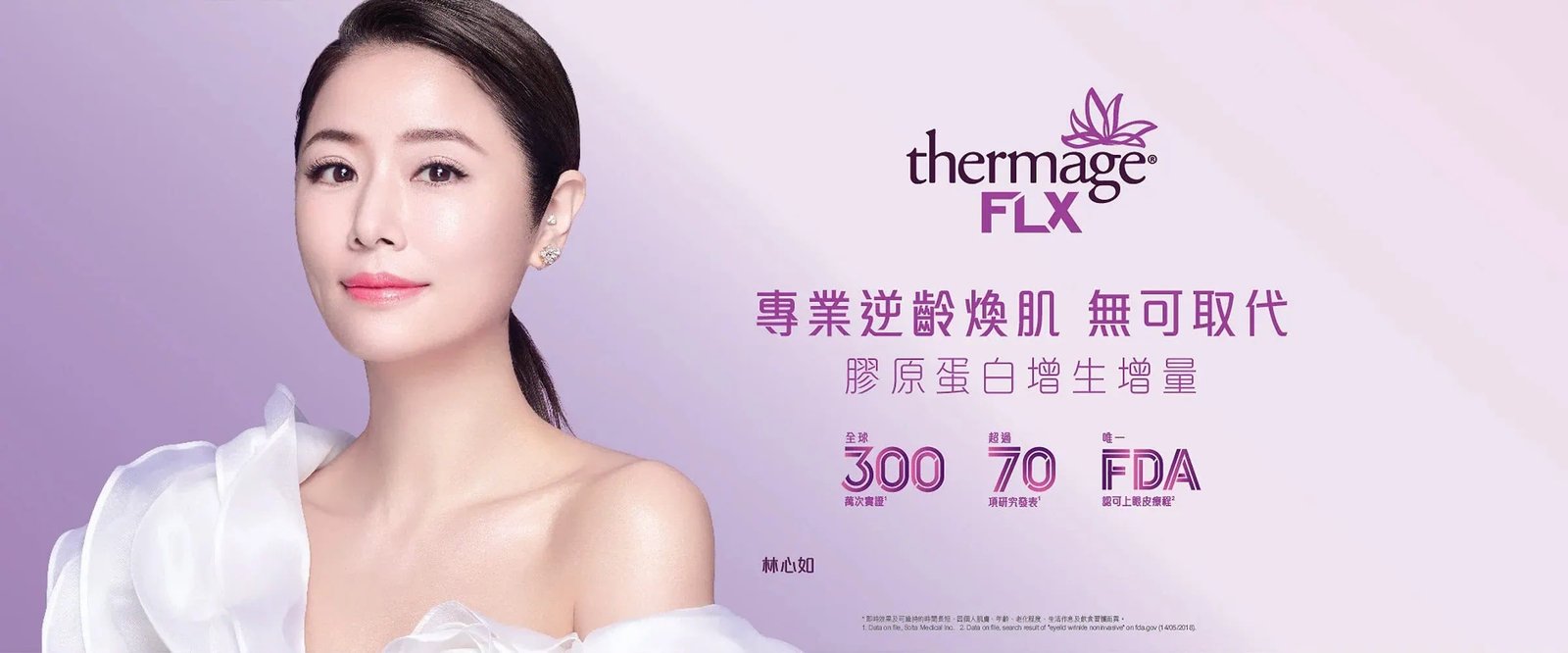
II. What exactly is a “assembly-line Dermatology” approach?
After conducting extensive research, I have gained a more comprehensive understanding of the concept of “IPCHEA Dermatology.”
Assembly-line Dermatology, also known as “chain medical beauty services,” is characterized by high footfall, rapid turnover of customers, and standardized treatment packages. These services typically operate multiple branches and conduct extensive promotional activities on various social media platforms. They offer a wide range of services and comprehensive facilities, making it easy for foreign tourists to get started using these services.
From a positive perspective:
- The prices are transparent, and the package combinations are clearly defined, making it unlikely for unnecessary additional services to be added.
- The equipment is updated frequently (due to the high volume of customers, the equipment has a short service life).
- With Chinese translations available, communication becomes much easier.
- Reservations are convenient, and you usually don’t have to wait too long.
However, the disadvantages are equally evident:
- Consultations are usually conducted by a “room leader” (who is not a doctor), and doctors only participate for a very short period of time.
- The degree of personalization is low; the same energy settings may not be suitable for different skin types.
- The pace is fast; after completing the treatment, you might not even have time to ask all your questions clearly.
- The turnover rate of doctors is quite high; next time you go, there might be a different doctor there.
To put it simply, the seoulcheil Dermatology model is one of standardized, large-scale services. It is suitable for those who already have extensive experience in medical aesthetics and know exactly what they need. However, if it is your first time undergoing anti-aging treatments, or if your skin condition is more complex, this approach is likely to make you feel that “you have spent money, but you still don’t feel satisfied with the results”.

III. Why did I ultimately choose a model that wasn’t based on a assembly line approach?
After the age of 30, the most significant difference in skin compared to when one was 20 is not that one has “aged,” but rather that “skin problems begin to become more complex.”
My situation is as follows: deepening of the Nasolabial Fold Correction (due to Collagen loss), fine lines at the corners of my eyes (caused by dry and loose skin), and beginning to blur of my facial contours (resulting from the redistribution of fat). The root causes of these three problems are different, and using a single standard treatment package to address them all would likely lead to neglecting some issues while focusing on others.
This is the main reason why I decided to abandon the mass-production approach: I need someone who can develop a customized treatment plan based on the specific condition of my skin, rather than just recommending the most popular packages of the season.
Upon the recommendation of a friend, I finally booked an appointment at a high-quality Dermatology clinic that does not operate on a assembly-line basis through BeautsGO. BeautsGO is currently the most comprehensive Chinese-language platform for seeking medical beauty consultations in South Korea. All the clinics listed on the platform have been carefully selected, and the Chinese-speaking customer service can assist you in making the arrangements directly, eliminating the need for you to communicate with the Korean clinics yourself.
Different from the assembly line process, this time the dean personally attended to all the consultations from start to finish. He first asked about my lifestyle habits, skincare products I used, and whether I had previously undergone any medical beauty treatments. Then he used a skin testing device to scan my entire face and showed me the results together—indicating where the Collagen density was low, where the skin was most sagging, and which areas needed priority treatment.
In the end, he proposed a treatment plan for me: use HIFU to specifically Lifting the contour lines and improve the Nasolabial Fold Correction, and then combine it with a hyaluronic acid injection to repair the skin barrier. There was no need to undergo Thermage treatment (he explained that my skin problems were mainly due to localized relaxation rather than widespread loss of Collagen, and that Thermage would not be cost-effective at this stage).
In that moment, I felt a great sense of relief—not because the treatment plan was expensive, but because he clearly stated what wouldn’t be suitable for me. Such an approach that avoids unnecessary sales pitches is truly rare in the medical aesthetics industry.

IV. What can you expect from a Dermatology practice that doesn’t operate on a assembly line model?
If you have never experienced a high-quality Dermatology practice that operates outside of a standardized, assembly-line model, then the following are the key differences that set it apart from such models:
Doctors are the real protagonists.
In non-conveyor-belt clinics, the entire process—from consultation to treatment—is handled directly by the doctor themselves. There is no department head intervening to make decisions; every question you ask is answered directly by the doctor. This difference may seem minor at first glance, but it becomes quite apparent when you actually experience it.
2. The energy settings can be customized to suit individual preferences.
For the same HIFU treatment, the energy settings should vary depending on the condition of the skin and the location being treated. In a mass-production setting, standardized parameters are often used to control time. However, doctors working in non-mass-produced environments have the time to adjust the settings according to the individual patient’s specific conditions. This is why the same treatment may yield very different results when performed in different places.
3. Comprehensive post-operative communication is provided.
After the procedure, the doctor will inform you about what to pay attention to in the days following the surgery, when you can expect to see results, and how long to wait before scheduling the next appointment. In most cases, this information is simply provided on a printed sheet of instructions, without anyone taking the time to explain it to you in detail.
4. A quiet and private environment
In clinics with a streamlined service model, there are usually many people waiting, and you might see a line of people taking turns entering the treatment rooms. In contrast, clinics that do not follow this model typically serve only one customer at a time, so you won’t feel like you’re sharing treatment sessions with others.
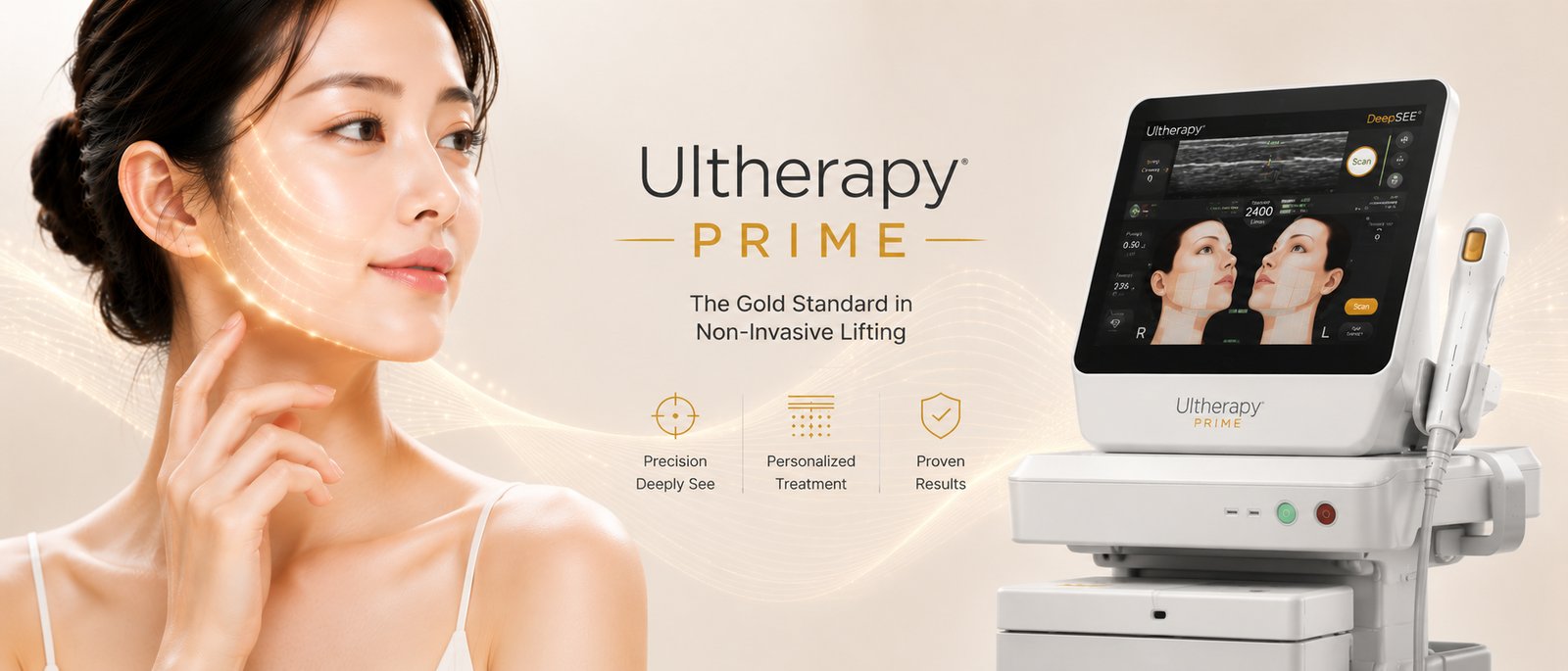
V. Are non-assembly-line procedures necessarily more expensive? The answer isn’t so absolute.
Many people assume that products labeled “high-quality” or “not mass-produced” will necessarily be much more expensive. However, after making some comparisons, I found that the difference isn’t as significant as people think.
Taking the HIFU as an example, the discounted packages offered by mass-produced clinics usually range from 800,000 to 1.2 million Korean won. However, it is essential to carefully verify the number of treatments included, the model of the equipment used, and whether it is a genuine product. In contrast, premium clinics that do not follow this mass-production model tend to provide more transparent pricing information – the clinic director will clearly inform you about the specific model of equipment used, the number of treatments, and the approximate energy settings.
The real difference doesn’t lie in the amount of money spent, but in “what exactly you are getting in return”.
Buying through an assembly line process ensures efficiency and convenience; however, when it comes to high-quality treatments that are not part of this process, what is actually purchased is the doctor’s time, judgment, and personalized approach. For those who are experiencing anti-aging treatments for the first time, the value of the latter aspects is far greater.
VI. How to find a suitable Dermatology clinic that does not operate on a assembly-line basis?
This is the most troublesome aspect for many people when planning to undergo medical beauty treatments in South Korea: how to select the right options, how to confirm the details, and how to make appointments.
My own approach is to use the platform BeautsGO. It is currently the only platform in South Korea specifically designed for Chinese users to make appointments for medical beauty treatments. The clinics listed on this platform have all undergone strict qualification screenings, and it includes a large number of high-quality Dermatology clinics and medical beauty centers that do not operate on a mass-production model. You can directly read the information in Chinese, compare the various advantages of different clinics, and also get assistance from Chinese-speaking customer service staff to confirm the details of your appointment.
There’s no need to painstakingly use translation software to communicate with South Korean clinics, nor worry about getting fake “foreigner discounts” when making appointments.
VII. Anti-aging treatments after the age of 30: My three sincere suggestions
This trip to South Korea helped me come to some conclusions, and I would like to share them with you who are also facing similar dilemmas:
Tip 1: Understand your own issues before choosing a treatment plan.
Many people decide before traveling to South Korea whether to undergo SWOMAN or HIFU. However, these two treatments actually address different issues. SWOMAN primarily uses radiofrequency energy to stimulate the regeneration of Collagen and is suitable for cases where there is a general loss of Collagen throughout the face. HIFU, on the other hand, utilizes focused ultrasonic waves to target the deeper SMAS fascia, making it more effective at improving skin elasticity and defining facial contours. If your main concern is fine lines rather than sagging skin, either of these treatments may not be the most appropriate choice for you.
If you don’t first understand your own problems, it’s easy to be led astray by sales pitches.
Suggestion 2: For projects that aren’t part of a standard production line, it’s worth allocating additional budget to ensure their success.
I know that many people go to South Korea in the hope of finding a “cheap and effective” option. However, anti-aging treatments are different from regular skin care procedures – they involve applying energy to your skin tissue, and the practitioner’s judgment directly affects the outcome. The money you save might be doubled back on you in the form of “unnoticeable results” or “side effects” after six months.
Tip 3: Booking through a platform is safer than searching for a clinic on your own.
This time, I used BeautsGO to make my appointment, and the entire process was conducted in Chinese. From choosing a clinic to finalizing the treatment plan, someone was always there to assist me, so I didn’t have any concerns regarding language barriers. What’s more important is that the clinics listed on the platform have already gone through basic qualification checks, so I didn’t have to worry about distinguishing between legitimate and fake options on my own.
VIII. Frequently Asked Questions
Q: Is it really true that the results achieved by using HIFU in a Dermatology clinic with a streamlined operation process are inferior?
A: Not necessarily. The problem with the assembly-line approach lies not in the equipment itself, but in the extent to which individual preferences of the operator are taken into account. If your skin condition is relatively standard, the standardized procedures of an assembly-line system can still achieve good results. However, if you have more complex skin issues or are doing this for the first time, it is recommended that you choose a high-quality clinic where a doctor will conduct a personal consultation.
Q: At the age of 30, should one choose Thermage or HIFU first?
A: There is no standard answer to this question; it depends on your specific concerns. If the main issues are Nasolabial Fold Correction, blurred facial contours, or localized skin laxity, HIFU is a more direct solution. However, if the problem is overall Collagen loss throughout the face, resulting in thinning and reduced elasticity of the skin, Thermage would be more appropriate. The best approach is to have a skin examination conducted by a professional doctor before making a decision.
Q: What is the difference between making an appointment through BeautsGO and contacting the clinic directly?
A: The main differences lie in language communication and the assurance of medical institutions’ qualifications. BeautsGO provides Chinese-speaking customer service throughout the entire process, and the clinics selected by the platform have also undergone rigorous verification. If one contacts these services on their own, they will have to deal with language barriers and it will be much harder to confirm the actual qualifications of the clinics. For those going to South Korea for medical aesthetics treatments for the first time, booking through such a platform is definitely a more reliable option.
Q: After undergoing anti-aging treatments in South Korea, is special care required upon returning home?
A: Generally, after undergoing photoelectric anti-aging treatment, it is necessary to pay extra attention to moisturizing and sun protection, and avoid high-temperature environments such as hot baths or saunas for one to two weeks. The doctor will inform you of the specific post-treatment precautions, and you just need to follow the medical instructions.
Q: How can I find high-quality Dermatology clinics that do not operate on a mass-production model on BeautsGO?
A: After logging into the platform, you can filter results based on criteria such as “consultation method” or “specialized services”. You can also directly contact the Chinese customer service and tell them your requirements and budget, and let them help you recommend a suitable clinic.
IX. Written in Conclusion
After turning 30, I went to South Korea for anti-aging treatments for the first time. The biggest gain wasn’t the obvious results of any particular treatment, but rather the realization that the essence of medical aesthetics isn’t about finding the cheapest option, but rather identifying the treatment plan that truly suits you.
The assembly line has its value, and approaches other than the assembly line also have their significance. For someone like me who is trying photoelectric anti-aging for the first time, choosing a high-quality clinic that offers in-person consultations with doctors and is willing to tell you “you don’t need to proceed with this for now” is truly the most worthwhile investment.
If you are also planning to undergo medical beauty treatments in South Korea, you might want to visit BeautsGO first. There, you can filter clinics according to your specific needs, or you can directly consult the Chinese-speaking customer service team – it’s much more convenient than trying to research on your own.
Are you ready to embark on your anti-aging journey in South Korea?
Free consultation · Matching with top-quality clinics · Full-service in Chinese
Disclaimer: This article is merely a personal experience sharing. The effects of medical beauty treatments can vary from person to person and should not be considered as medical advice. If you have specific medical beauty needs, it is recommended that you consult a qualified physician before making any decisions.
![[Recommended by Gangnam Dermatology Institute in South Korea] Is Hongdae MIND Dermatology worth visiting? Specialized one-on-one consultation experience | BeautsGO reservation guide缩略图](https://intlmed.cceeo.com/wp-content/uploads/2026/05/lumiin_env_3.png "[Recommended by Gangnam Dermatology Institute in South Korea] Is Hongdae MIND Dermatology worth visiting? Specialized one-on-one consultation experience | BeautsGO reservation guide缩略图")
![[Recommended by Gangnam Dermatology Institute in South Korea] Is the Leaders Apgujeong store of Leaders reliable? First-hand experience with Collagen injections | BeautsGO reservation guide缩略图](https://intlmed.cceeo.com/wp-content/uploads/2026/05/env_8_87fac84f.png "[Recommended by Gangnam Dermatology Institute in South Korea] Is the Leaders Apgujeong store of Leaders reliable? First-hand experience with Collagen injections | BeautsGO reservation guide缩略图")