
If you have researched dermatology clinics in Korea, you may have come across the term “factory clinic.” This term generally refers to high-volume clinics that treat dozens or even hundreds of patients daily. Such clinics often advertise extremely low prices, quick procedures, and same-day treatments. While some people appreciate the efficiency, others worry that speed may come at the expense of personalized care. On the other hand, many dermatology clinics emphasize a non-assembly-line approach, where doctors spend more time understanding a patient’s skin condition and designing tailored treatments. To make the best decision, it is important to understand how these two systems differ and what the actual experience is like in each type of clinic.
Korean Dermatology Clinics: Assembly-Line vs Non-Assembly-Line
The difference between assembly-line clinics and non-assembly-line clinics in Korea lies mainly in the workflow and patient experience. Assembly-line clinics are designed to handle a large number of patients efficiently. They typically rely on standardized procedures and fast consultation processes. Patients may first meet with a coordinator, have a brief consultation with a doctor for a quick assessment, and then proceed directly to treatment. The process is streamlined to enable many patients to be treated within a short period of time.
In contrast, non-assembly-line clinics adopt a slower, more personalized approach. These clinics usually schedule fewer patients per day, giving doctors more time to evaluate each case in detail. The consultation may include a skin analysis, discussion of medical history, lifestyle factors, and treatment goals. Doctors often design customized treatment plans based on an individual’s specific skin condition, rather than offering a one-size-fits-all approach.
Although both types of clinics exist in Korea, the patient experience can vary significantly depending on which system the clinic follows.
II. How Assembly-Line Dermatology Clinics Work
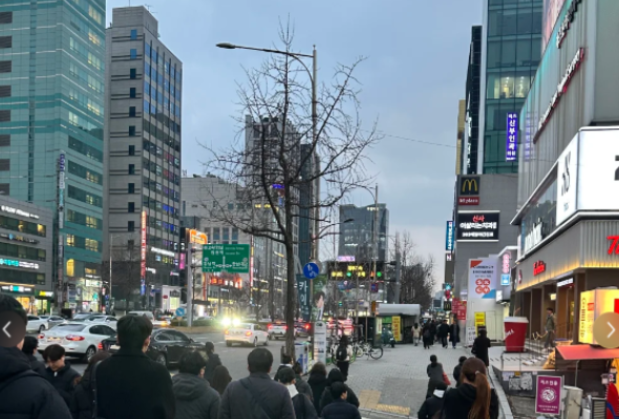
Assembly-line dermatology clinics are often located in busy areas such as Gangnam, where high patient demand encourages fast turnover. These clinics usually promote attractive package deals and discounted treatments. Because the procedures are standardized, many treatments can be performed quickly and efficiently.
In many cases, the consultation is relatively brief. A patient may first speak with a coordinator, who gathers basic information and recommends treatments based on common concerns such as acne scars, pigmentation, or anti-aging. The doctor may then confirm the treatment plan before the procedure begins. The entire process—from consultation to treatment—may take less than an hour.
For some patients, this system is convenient and cost-effective. However, others may feel that the limited consultation time does not allow for sufficient discussion about their specific skin conditions or long-term treatment goals.
III. What 1v1 Dermatology Consultations Actually Mean
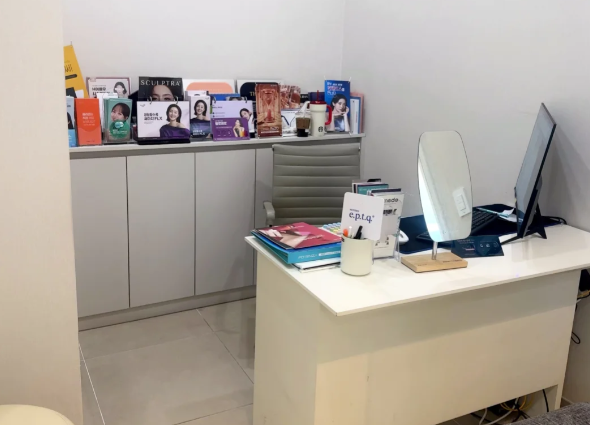
When clinics advertise “1v1 consultations,” they usually mean that the patient meets directly with a dermatologist for a detailed evaluation before any treatment begins. This consultation may include digital skin analysis, discussion of previous treatments, and examination of skin sensitivity or underlying conditions.
A true one-on-one consultation often lasts longer than a standard consultation in a mass-market clinic. The doctor may explain the benefits and limitations of different treatments, such as laser resurfacing, skin boosters, or radiofrequency procedures. Patients are also encouraged to ask questions and discuss their expectations before committing to a treatment plan.
Because the consultation process is more thorough, treatment recommendations are usually more personalized. Some clinics even adjust the intensity of treatments or combine multiple procedures based on the patient’s skin type and concerns.
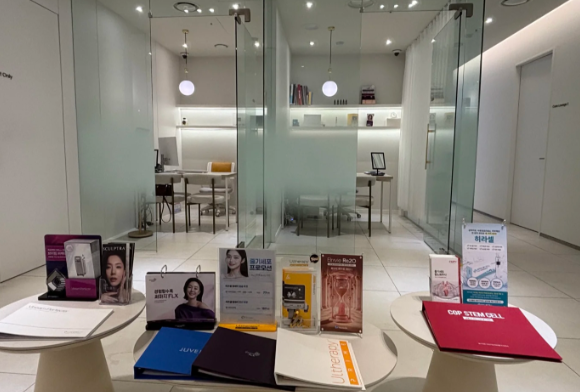
IV. Signs of a Non-Mass-Directed Dermatology Clinic
Patients who prefer a more personalized experience often look for clinics that limit the number of daily appointments. In these clinics, consultation rooms are usually quieter and more private, and doctors spend more time explaining procedures and possible outcomes.
Another indicator of a non-mass-market clinic is the presence of advanced skin analysis tools. Many clinics use sophisticated imaging systems to evaluate pores, pigmentation, and hydration levels before recommending treatments. This step allows doctors to develop treatment plans that address underlying skin issues, rather than just treating visible symptoms.
In addition, non-mass-market clinics may offer follow-up consultations to monitor progress after treatments. This ongoing care ensures that the treatment plan continues to suit the patient’s changing skin condition.
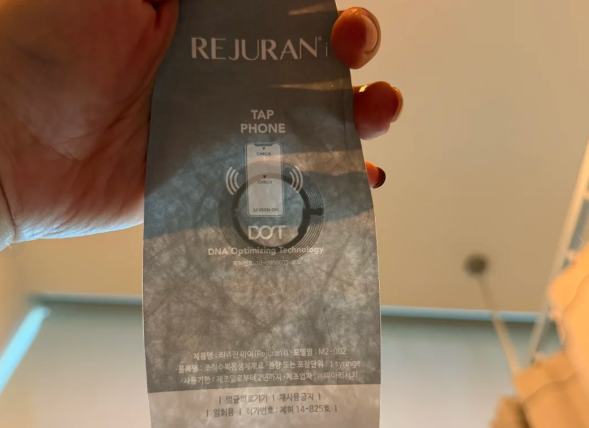
V. How to Avoid the “Factory Clinic” Experience
For international patients visiting Korea for dermatology treatments, proper preparation can make a significant difference. Before choosing a clinic, it is helpful to research its consultation process, patient reviews, and treatment philosophy. Clinics that emphasize personalized care often provide detailed information about their consultation procedures on their websites.
Another useful strategy is to schedule appointments in advance rather than relying on walk-in visits. Pre-booked appointments often allow clinics to allocate more time for consultation and evaluation. Patients may also want to confirm whether the doctor performing the consultation will be the same person performing the treatment.
Finally, clear communication is essential. Patients should not hesitate to ask questions about treatment goals, possible risks, and expected results. A clinic that values transparency and patient education is more likely to prioritize safe and effective care.
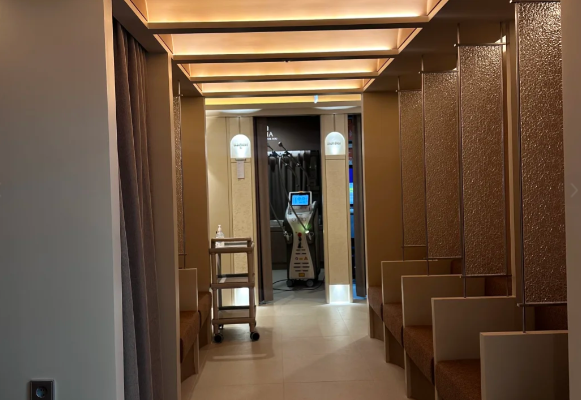
VI. Choosing the Right Korean Dermatology Clinic
Choosing the right clinic ultimately depends on personal priorities. Some patients prefer quick treatments and affordable prices, which assembly-line clinics often provide. Others value a more customized approach and are willing to spend additional time and resources for personalized care.
Both systems exist because they serve different needs. However, understanding the differences between them allows patients to make informed decisions about where to receive treatment. By evaluating consultation quality, treatment transparency, and clinic reputation, patients can find dermatology clinics that align with their expectations and comfort level.
Korean dermatology clinics are known worldwide for advanced technology and innovative treatments. However, not all clinics operate in the same way. Assembly-line clinics focus on efficiency and high patient volume, while non-assembly-line clinics emphasize personalized consultations and customized treatment plans. By understanding how these systems work and recognizing the signs of genuine one-on-one consultations, patients can avoid the factory-style experience and choose clinics that prioritize individualized care and long-term skin health.
![[Recommended by Gangnam Dermatology Institute in South Korea] Is Hongdae MIND Dermatology worth visiting? Specialized one-on-one consultation experience | BeautsGO reservation guide缩略图](https://intlmed.cceeo.com/wp-content/uploads/2026/05/lumiin_env_3.png "[Recommended by Gangnam Dermatology Institute in South Korea] Is Hongdae MIND Dermatology worth visiting? Specialized one-on-one consultation experience | BeautsGO reservation guide缩略图")
![[Recommended by Gangnam Dermatology Institute in South Korea] Is the Leaders Apgujeong store of Leaders reliable? First-hand experience with Collagen injections | BeautsGO reservation guide缩略图](https://intlmed.cceeo.com/wp-content/uploads/2026/05/env_8_87fac84f.png "[Recommended by Gangnam Dermatology Institute in South Korea] Is the Leaders Apgujeong store of Leaders reliable? First-hand experience with Collagen injections | BeautsGO reservation guide缩略图")