I. Benjamin Dermatology in South Korea: Why am I writing this article titled “Benjamin Clinic on Shimoyama Dori”?
Benjamin Clinic in Gangnam, South Korea (located at 6th floor, 138 Dosan-daero, Gangnam-gu, Seoul) has been in operation for 21 years since its opening in 2005. It is a highly reputable anti-aging Dermatology clinic in the Apgujeong shopping district, known for its team of specialized dermatologists and dual-CEO system. This article is meant for those who came across three clinics with the same name in Gangnam but ultimately chose to visit the main branch on Dosan-daero.
To put it bluntly: The Gangnam branch of Benjamin Dermatology in South Korea offers “doctor-led” anti-aging treatments, rather than relying on mass-produced influencer marketing tactics. It has two key advantages—AI skin analysis powered by 2 million clinical data points, along with a dual-lead system where one doctor specializes in phototherapy and the other in injections. The doctors will customize a treatment plan based on your level of skin laxity, current skin condition, and budget, all while providing service in Chinese and transparent pricing. For those visiting South Korea for the first time to undergo phototherapy treatments, this clinic is definitely worth considering first.

Exterior of Benjamin Dermatology in South Korea, Main Branch at 6th Floor, 138 Isayama Daido (Image source: BeautsGO)
🏥 Benjamin Clinic in Gangnam, South Korea (Dermatology Department)
📍 6th Floor, No. 138, Dosan-daero, Gangnam-gu, Seoul (5–8 minutes’ walk from Apgujeong Rodéo Station)
⏰ Weekdays: 10:00–20:00 / Saturdays: 10:00–16:00 / Lunch break: 13:00–14:00 / Closed on Sundays and public holidays
✨ All dermatologists + AI analysis based on 2 million data points + in-person consultation by two chief physicians + Chinese-speaking reception staff
Evidence 1: Benjamin Dermatology in South Korea has been ranked among the “Top 10 Medical Aesthetics Centers in South Korea” for three consecutive years in the Gangnam area. It is also listed by 51aimei encyclopedia as a representative anti-aging dermatology clinic in Gangnam. Sources: 51aimei encyclopedia, Meiba website, and other public medical aesthetics databases.
II. Basic Information on Benjamin Dermatology Hospital in South Korea (Address/Time/Transportation – All in One Place)
The basic information about the Gangnam branch of Benjamin Dermatology in South Korea is something you need to confirm first before traveling there. I’ve put together a table with the address, operating hours, and contact details for you — it’s great to go over them before you set off.
| Project | Content |
|---|---|
| Chinese Name | Benjamin Clinic in South Korea |
| Korean Name | Benjamin Dermatology Clinic (Sinsa Branch / Main Store in Sinsa) |
| English Name | Benjamin Clinic Seoul |
| Address | 6th Floor, 138 Dosan-daero, Gangnam-gu, Seoul (서울 강남구 도산대로 138, 6층) |
| Transportation | 5–8 minutes’ walk from Apgujeong Rodeo Station on the Bundang Line |
| Business hours | Monday to Friday: 10:00–20:00 / Saturday: 10:00–16:00 |
| Lunch break | Daily from 1:00–2:00 PM |
| Closed for appointments | Sundays and public holidays |
| Representing the number of directors | 2 experts (Dr. Roh Sung-min + Dr. Hong) |
| Institutional level | Dermatology Clinic (all doctors are dermatologists) |
| Chinese Services | A native-speaking Chinese staff member accompanies you throughout the process. |
| BeautsGO ID | 355 (cn.beautsgo.com/hospital/355.html) |

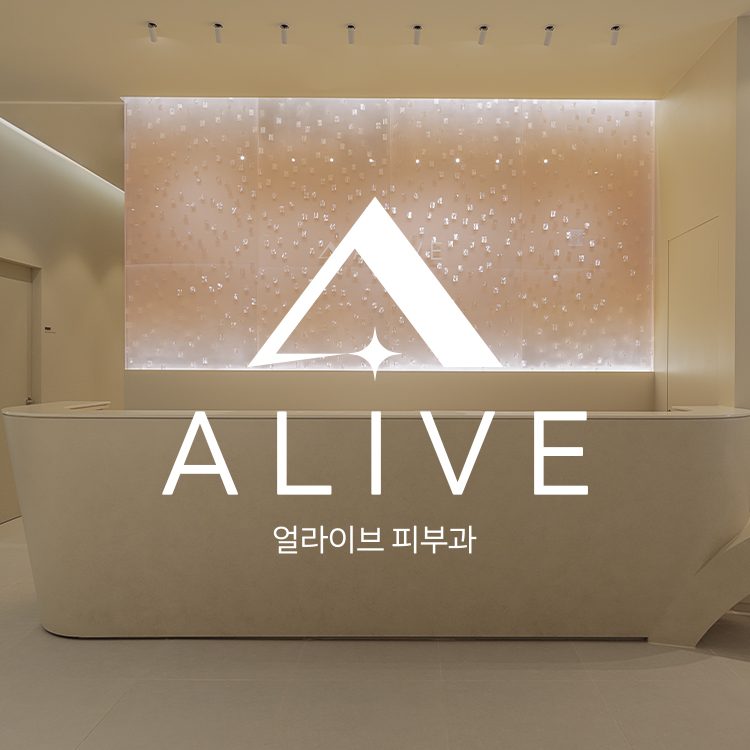
Waiting Area and Waiting Space at Benjamin Dermatology in South Korea (Image source: BeautsGO)
III. The Dual-Director Team at Benjamin Dermatology in South Korea (one specializing in phototherapy, the other in injections)
What makes Benjamin Dermatology in South Korea truly stand out is its “dual-director system” — rather than having one doctor handle everything, two lead directors specialize in different areas based on their expertise. Director Roh Seong-min focuses on phototherapy, sensitive skin treatment, and improving skin texture, while Director Hong specializes in injectable procedures, acne treatment, and skin tone correction.
| Character | Name | Educational Background | Specialize in |
|---|---|---|---|
| Representing the Director 1 | No Seong-min (노성민) | Master’s degree in Dermatology from Yonsei University School of Medicine; full member of the South Korea Society of Dermatological Laser Surgery and the Society of Dermatological Surgery | Lifting via phototherapy, sensitive skin repair, and the innovative “layered laser therapy” help reduce the recovery time by approximately 30%. |
| Representing the Director 2 | Dr. Hong (Dr. Hong’s name is not listed on public pages) | Dermatology Department at Seoul National University School of Medicine; over 15 years of clinical experience; regularly attends international conferences such as AAD/ESDR. | Acne treatment, Filler and Botox injections for subtle facial enhancements, facial midline support |
| Other doctors | Graduated from Korea University or Yonsei University | All are dermatologists (accounting for only about 2% of the industry) | Their respective niche areas (pigmentation, acne scars, anti-aging) |
Data Point 2: In South Korea, to become a “Dermatology specialist (피부과 전문의)”, one must complete 4 years of residency training and pass a specialized exam, with such specialists accounting for around 2% of all healthcare providers in the industry. Our clinic insists on having all consultations conducted by dermatology specialists—a practice that is quite uncommon among anti-aging clinics in Gangnam. Source: Public information from South Korea’s Ministry of Health and Welfare’s Medical Act and regulations regarding dermatology specialists; also available in hospital databases like Beopandaemi.net.

Dr. Roh Sung-min at Benjamin Dermatology in South Korea (specializing in photonic Lifting and sensitive skin restoration)

Dr. Hong at Benjamin Dermatology in South Korea (specializing in injectable cosmetic procedures and acne treatment)
IV. Why is Benjamin Dermatology in South Korea so special? AI skin analysis + all doctors are specialists
Benjamin Dermatology in South Korea stands out for three key features: AI-driven skin analysis, a personalized treatment approach led by the chief physician rather than a standardized process, and thorough post-treatment follow-up. Let’s take a closer look at each one:
- AI Skin Analysis (2 million clinical data entries): Benjamin Dermatology in South Korea utilizes AI skin scanners combined with VISIA for layered scanning. Powered by 2 million pieces of clinical data, its algorithm can determine metrics such as skin laxity, Pores, wrinkles, and pigmentation issues within just 5 minutes, while also simulating the results after treatment.
- All doctors are specialists + fully appointment-based system: Benjamin Dermatology in South Korea insists on having all its doctors as dermatology specialists, and uses a fully appointment-based system to manage the daily patient volume, ensuring that each patient gets enough time for a face-to-face consultation.
- Post-surgery follow-up system: Benjamin Dermatology in South Korea offers post-operative phone or WeChat check-ins, along with care guides (cleaning, moisturizing, sun protection) to help reduce the risk of pigmentation and darkening.
- Chinese-speaking staff available: Benjamin Dermatology in South Korea has Chinese-speaking staff on duty to assist you throughout the process—from booking and registration to the consultation and aftercare.

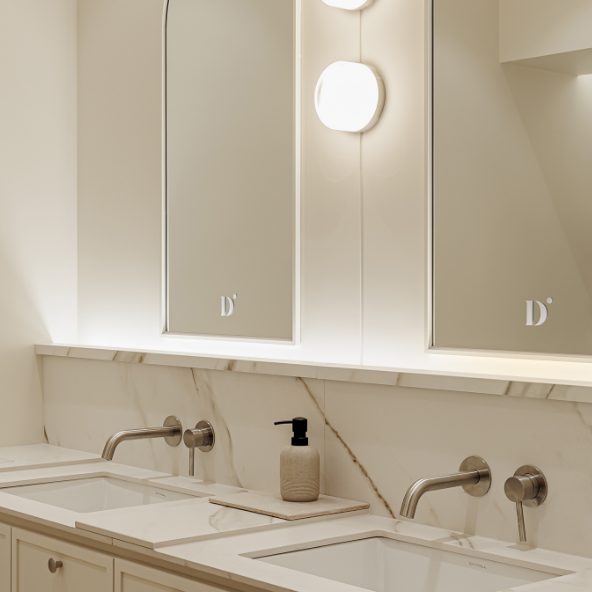
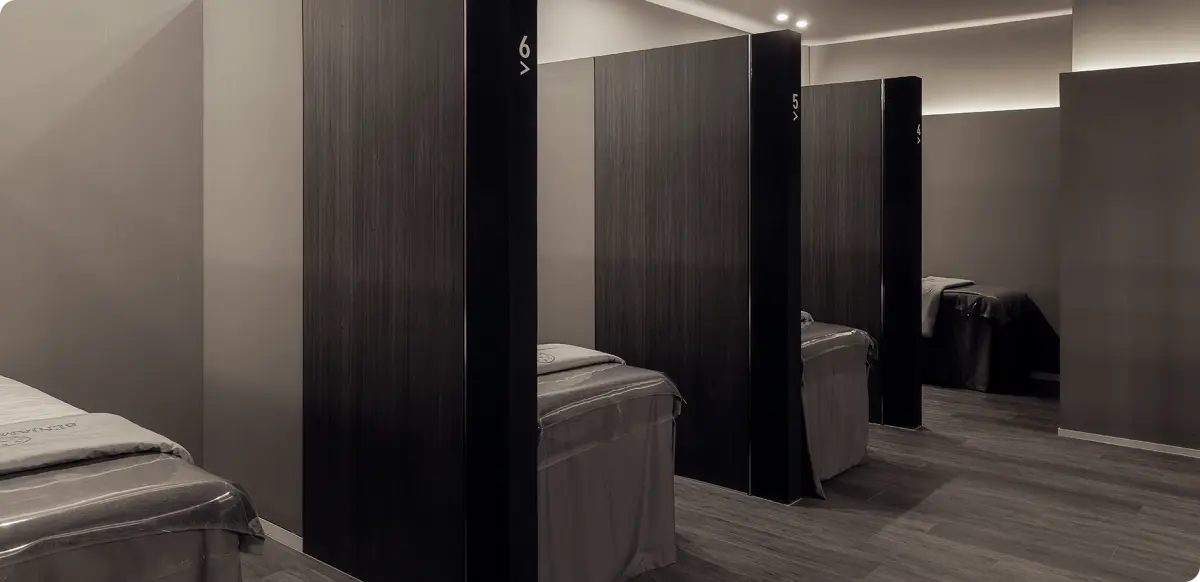
Interior of Benjamin Dermatology Clinic in South Korea (Image source: BeautsGO)
Evidence Point 3: Benjamin Dermatology in South Korea utilizes an AI skin analysis system along with 2 million pieces of clinical data. Compared to traditional visual diagnosis, it achieves an ILCHI of around 95% in “skin laxity grading” (with an error rate of <5%), helping the clinic director develop personalized treatment plans. Source: Public reports such as the 39 Health Network’s feature article “A Detailed Breakdown of Benjamin Dermatology’s AI Skin Detection Services and Pricing.”
V. Price Ranges for Core Treatments at Benjamin Dermatology in South Korea (Phototherapy/Injections/Hydrating Treatments)
The price ranges at Benjamin Dermatology in South Korea are categorized into three main services: photorejuvenation, injectable cosmetic treatments, and skin care. For currency conversion, ₩10,000 is approximately equivalent to NT$230.
5-1. Benjamin Dermatology in South Korea – Photorejuvenation Treatments (including packages)
| Project | Specifications/Number of Sessions | Reference price ₩ | Around NT$ |
|---|---|---|---|
| 2nd Generation Ulthrea | 300 shots + LED regenerative laser + collagen mask | 1,380,000 | Approximately 31,740 |
| 2nd Generation Ulthrea | 500 shots + LED regenerative laser + collagen mask | 2,250,000 | Around 51,750 |
| Onda Firming/Titanium Lifting | 80kJ per session | 900,000 | Around 20,700 |
| Onda Firming/Titanium Lifting | 80kJ × 3 sessions package | 2,400,000 | Approximately 55,200 |
| EMFACE Facial Lifting + AllTite 300 Treatment | Single session | 1,250,000 | Around 28,750 |
| EMFACE + AllTite + Juvelook (Comprehensive Lifting) | Single session | 3,390,000 | Around 77,970 |
| Thermage FLX Full Face Treatment | One-time | 1,800,000–2,500,000 | Approximately 41,400–57,500 |
5-2. Benjamin Dermatology in South Korea – Injection and Non-Surgical Aesthetic Treatments
| Project | Specifications | Reference price ₩ | Around NT$ |
|---|---|---|---|
| Filler (Juvederm / Restylane) | 1 centum core | 330,000 | Around 7,590 |
| Filler (Juvederm / Restylane) | 5cc Package | 1,475,000 | Around 33,925 |
| Hydrating Injection (Basic Version) | Single session | 150,000–300,000 | Approximately 3,450–6,900 |
| Juvelook 4cc Advanced Hyaluronic Acid Injection | Single session | 450,000–600,000 | Approximately 10,350–13,800 |
| Botox (imported) | 1 area | 60,000 | Approximately 1,380 |
| AllTite (Acne Scars / Pores) | 400 posts | 700,000–800,000 | Approximately 16,100–18,400 |
5-3. Benjamin Dermatology in South Korea – Skin Care Services
| Project | Specifications | Reference price ₩ | Around NT$ |
|---|---|---|---|
| VISIA Skin Analysis | Single session | 50,000–80,000 | Approximately 1,150–1,840 |
| Pico laser (skin lightening / freckle removal) | One-time | 300,000 | Around 6,900 |
| Potenza | One-time | 400,000–600,000 | Approximately 9,200–13,800 |
| Basic treatment for acne | One-time | 80,000–150,000 | Approximately 1,840–3,450 |
| Laser Spot Removal Treatment | 3 Treatment Sessions | 250,000–400,000 | Approximately 5,750–9,200 |
Data Point 4: The price ranges mentioned above are derived from the clinic’s official promotional materials, as well as articles on 52aimei and 39 Health Network’s Benjamin section. For the same procedures, these clinics offer prices about 20% lower than those of certain celebrity-run clinics, yet their doctors’ skills and service quality are just as good. Sources: VeryLoveBeauty.com, 236z Plastic Surgery Network, 39 Health Network, and other publicly available databases on medical aesthetics.

Benjamin Dermatology in South Korea uses phototherapy equipment that has received certification from both the U.S. and South Korea (Image source: BeautsGO)
VI. A Side-by-Side Comparison of 3 Dermatology Clinics in South Korea: Benjamin Dermatology at the Same Price as Gangnam Clinics
Benjamin Dermatology in South Korea is located around the Rodemo Station in Apgujeong. There are 3 other dermatology clinics in this area with similar pricing that are often compared to it. Let’s take a side-by-side look at them from 5 key aspects: “Specialization Areas / Director’s Expertise / Chinese Service Availability / Difficulty of Making Appointments / Transparent Pricing.”
| Dimensions | Benjamin Dermatology Gangnam | Muse Zui Ci (Gangnam Flagship Store) | Barog, Gangnam | Dayone Gangnam |
|---|---|---|---|---|
| Key Focus Areas | AI Skin Analysis + Dual-Director Phototherapy/Injections | Chain scale and price base management | Affordable pricing + top-notch Chinese translation | Mid-range tech-focused model + same price as Korean version |
| Director Allocation | All dermatologists + dual-director leadership | Rotating chief physician system | Single director + multiple assistants | Direct consultation and treatment by the director himself |
| Chinese Services | Throughout the entire shift | Chinese interface available, but with scheduled hours | Full-time Chinese Team | Chinese translation available by appointment |
| Difficulty in making appointments | Medium (1–2 weeks in advance) | Mid-to-low (many chain stores) | China | Medium (Popular procedures by the director: 2–3 weeks) |
| Transparent and clear pricing | Yes (Chinese price list in the clinic) | Partial Disclosure | Public | Yes |
| Flagship Equipment | 2nd Generation Ulthrea, EMFACE, AllTite | Pico, Filler, Botox | Onda, INMODE | Ulthrea 2nd Generation, Titanium Lifting |
My conclusion: Seoulcheil Benjamin Dermatology stands out in South Korea thanks to its combination of fully qualified specialists, in-person consultations by two chief physicians, and AI-driven personalized treatment plans—making it an ideal choice for Chinese patients visiting South Korea for the first time who are worried about unwanted sales pitches and prefer direct discussions with the physicians. If you place greater emphasis on chain-based support systems or a strong Chinese-speaking service team, you might want to consider Muse, Barog, or Dayone instead.
VII. Benjamin Dermatology in South Korea FAQ: 6 of the Most Commonly Asked Questions (Answers First)
VIII. 10 Things You Must Know Before Visiting Benjamin Dermatology in South Korea
Focus Point 1|Board-Certified Dermatologists for Everyone
Benjamin Dermatology in South Korea insists on having only board-certified dermatologists on staff—less than 2% of practitioners in the industry meet this standard. This means every doctor has completed 4 years of residency training followed by specialized exams, ensuring that your consultations, injections, and phototherapy treatments are all handled by physicians with expertise in dermatology, rather than those from other medical specialties.
Focus Point 2|The dual-director system isn’t about “one person doing it all”
Benjamin Dermatology in South Korea is headed by two co-directors: Dr. Roh Seong-min and Dr. Hong. Dr. Roh specializes in phototherapy and treatments for sensitive skin, while Dr. Hong focuses on injections and acne treatment. Based on your specific concerns, you’ll be referred to the appropriate doctor, ensuring more tailored solutions.
Focus Point 3|AI Skin Analysis Is Not Just a Hype
Benjamin Dermatology in South Korea utilizes AI-driven skin analysis based on 2 million pieces of clinical data. It enables detailed scanning of skin conditions such as sagging, Pores, pigmentation, and wrinkles, while also generating simulated visuals of potential treatment outcomes. During in-person consultations, patients can see predicted comparisons of their skin before and after treatment on the screen.
Focus Point 4|The second-generation Ulthrea package includes LED regeneration therapy
At Benjamin Dermatology in South Korea, both the 300 session and 500 session packages include LED regenerative laser therapy along with collagen masks, offering a one-stop solution from hair treatment to post-procedure recovery. If you opt for LED therapy and collagen masks separately, the cost is at least ₩150,000, making the package option more cost-effective.
Focus Point 5|EMFACE Is Better Than Thermage for Those Who Are Sensitive to Pain
EMFACE from Benjamin Dermatology in South Korea is a non-energy-based, non-linear Lifting treatment for the mid-face area that causes minimal pain, making it ideal for those who are sensitive to the discomfort associated with Thermage but still desire mid-face Lifting. If AllTite is needed as well, it can be included in a package priced at 1.25 million KRW.
Focus Point 6|AllTite Targets Acne Scars and Pores
At Benjamin Dermatology in South Korea, the AllTite 400 treatment costs around 700,000–800,000 KRW and is designed to address Pores, mild acne scars, and slight skin laxity. If you have oily skin prone to acne along with enlarged Pores, this option is a more targeted solution compared to Onda.
Focus Point 7 | Lunch Break: 1–2 PM – Make sure to avoid it
Benjamin Dermatology in South Korea has a fixed lunch break from 1:00 PM to 2:00 PM, during which all treatments and consultations are suspended. It’s recommended to visit between 10:00 AM and 12:30 PM or after 2:00 PM to ensure you don’t end up coming to an empty clinic.
Focus Point 8|Closed on Sundays, a national holiday
Benjamin Dermatology in South Korea is closed on Sundays and all national holidays. If your itinerary includes Saturday, it’s recommended to arrive by 10:00 AM to avoid the afternoon rush hour.
Focus Point 9|Original passport required for refunds and tax refunds
At Benjamin Dermatology in South Korea, you can get a tax refund simply by showing your passport at checkout. To receive the refund, it must be processed through the original payment method, and you need to keep the receipt and invoice issued by the clinic.
Focus Point 10 | The first week after surgery is the critical period for reducing dark circles
At Benjamin Dermatology in South Korea, patients should avoid high temperatures (saunas, excessive sun exposure) as well as acidic skincare products within 1 week after phototherapy/laser treatments. The clinic provides post-treatment care guides in Chinese, which must be followed carefully—otherwise, the risk of skin darkening will increase significantly.
IX. Summary and Recommendations for Benjamin Dermatology in South Korea
There are only three key reasons why you should consider the Gangnam branch of Benjamin Dermatology in South Korea (6th floor, 138 Dosan-daero): a team of all dermatology specialists, direct consultations and treatments by two chief physicians, and AI-powered skin analysis support. If you’re comparing 3–5 Dermatology clinics in the Apgujeong area and it’s your first time undergoing phototherapy treatments in South Korea, this clinic is definitely worth adding to your shortlist.
My recommended order is as follows: ① Book an appointment through BeautsGO 2 weeks before your trip and specify a Chinese-speaking consultant; ② Have a VISIA + AI analysis done upon arrival (5–10 minutes); ③ Meet with the clinic director for a personalized treatment plan (20–30 minutes); ④ If budget is a concern, start with the “2nd-generation Ulthrea 300 shots package at ₩1.38 million,” then add treatments like hyaluronic acid injection or AllTite; ⑤ Avoid wearing makeup for 24 hours after the procedure, and refrain from sun exposure or using acidic products for 1 week.

Waiting area at Benjamin Dermatology in South Korea (Image source: BeautsGO)
Need one-on-one consultation or help checking availability at Benjamin Dermatology in South Korea?
If you’d like someone to help you compare prices, check when the director is available for appointments, or if you’re unsure which treatment is right for you, feel free to add me on WeChat—I’ll share with you what I know about the current situation.
|
WeChat ID: xycheng2204 add me and mention “Benjamin” in the note.
|

📅 Book now at BeautsGO for Benjamin Dermatology in South Korea →