When it comes to high-end dermatology in Korea, many people think of the luxurious and expensive clinics located in Gangnam District. But after actually visiting them, one realizes that there’s a reason for their high prices. During a business trip to Seoul, I took the opportunity to visit Oganacell Dermatology in Cheongdam-dong and would like to share my real experiences with you.
1. First impressions at Oganacell: The environment is truly different
Oganacell Dermatology is located in Cheongdam Plaza, Cheongdam-dong, Gangnam District, Seoul. This location itself speaks volumes—Cheongdam-dong is one of Seoul’s prestigious affluent areas, surrounded by high-end shopping malls and luxury brands. Any clinic operating here must be of considerable quality.
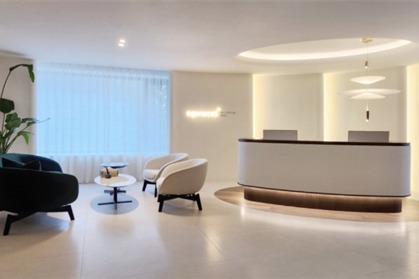
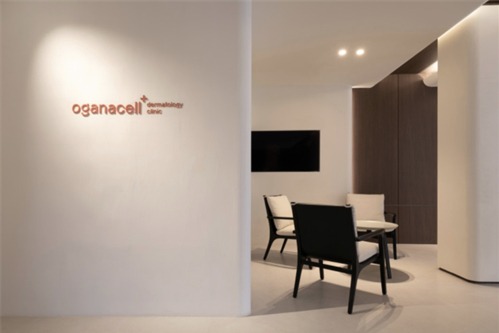
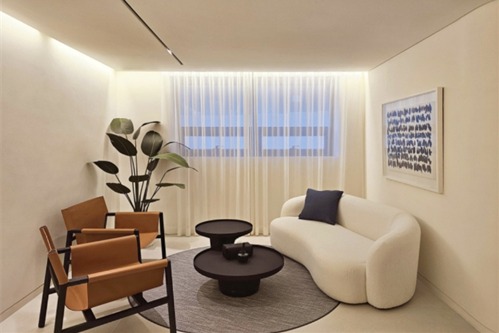
My first impression upon entering was tranquility. Unlike some dermatology clinics that are bustling with activity, Oganacell’s reception area is spacious and elegantly designed, with neutral colors like off-white and light wood creating a relaxing atmosphere. The wall displays the Oganacell logo, which is simple yet stylish.
My consultant was Korean but spoke fluent Chinese, so communication was seamless. She had me fill out a detailed questionnaire about my skin care habits, allergies, and previous treatments. After about ten minutes, I was taken to see the doctor.
2. The consultation with a doctor at Oganacell Dermatology: Professional and non-sales oriented
My doctor was Dr. Ogana, the chief physician at Oganacell. She has extensive experience. What impressed me most was that she didn’t immediately recommend the most expensive treatments. Instead, she first used instruments to assess my skin condition and then provided personalized advice based on the results.
The test results showed that my main skin issues were dryness and mild sagging, especially around my eyes. The doctor explained that simply hydrating my skin wouldn’t be effective enough and suggested hyaluronic acid fillers combined with basic skincare routines. She also explained why this combination would be more beneficial—hyaluronic acid addresses wrinkles, while regular skincare improves overall skin quality, resulting in better overall results.
The entire consultation took about twenty minutes. The doctor explained everything in detail, including the pros and cons of each treatment option, the recovery period, and how long the effects would last. What surprised me the most was that she didn’t try to push any particular treatments on me. Instead, she suggested that if my budget was limited, I could start with skin care and consider hyaluronic acid fillers later. Such an approach is really rare in Korean dermatology clinics.
III. Treatment Process at Ogana Dermatology in Korea: Surprisingly Easy
In the end, I decided to start with skin care and then get a small amount of filler for my nasolabial folds. The skin care treatment took place in a separate, clean room where all the bedding was disposable. The nurse first cleaned my skin thoroughly and then used Ogana’s proprietary products for the treatment.
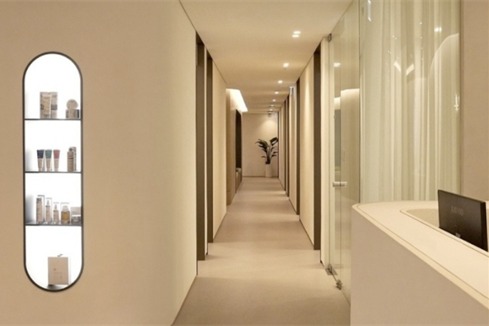
I should mention Ogana’s own product line here. Most of their products are developed in-house. The packaging is simple, but the ingredient lists look very professional. The nurse explained that these products are only used within the clinic and are not sold externally, mainly to ensure consistent treatment results.
After the skin care treatment, my skin looked much brighter and felt soft and tender. Next came the hyaluronic acid fillers. The doctor used a local Korean brand, which was cheaper than imported ones but still effective. The procedure took about ten minutes, and the pain was fairly mild—just like being bitten by a few ants.
IV. Post-Treatment Recovery at Ogana Dermatology in Korea: smoother than Expected
After the treatment, the nurse gave me a pack of post-treatment care items, including ice packs, a repair mask, and instructions. She advised me not to wear makeup for 24 hours and to avoid strenuous exercise and hot environments for a week. These are common precautions in other hospitals too, but what sets Ogana apart is that they contact patients three days after the treatment to check on their recovery and are available for any follow-up questions.
The swelling started to subside around the third day, and it completely disappeared within about a week. My nasolabial folds did become less noticeable, but not completely invisible. As the doctor said, the advantage of getting a small amount of filler is that the results look natural and hardly noticeable.
5. Regarding the prices at Aogana Dermatology in Korea: They are indeed not cheap, but they are reasonable.
To be honest, Aogana’s prices are relatively high among dermatology clinics in Seoul. A single skin treatment costs around 200,000 to 300,000 Korean won (about 1,000 to 1,500 yuan), and hyaluronic acid injections vary in price depending on the area and the amount used, ranging from 500,000 to 1,500,000 Korean won (around 2,500 to 8,000 yuan).
However, when compared to other options, I think the prices are still reasonable. First of all, the environment and service are truly excellent; the whole experience from entering to leaving is very comfortable, without any pressure to pay immediately. Secondly, the doctors are highly professional and do not recommend unnecessary treatments. Finally, the results are visible and look quite natural.
If you have a sufficient budget and are looking for a reliable and comfortable skin care experience, Aogana is a great choice. But if you just want to try Korean dermatology services or have a limited budget, other clinics with better cost-performance ratios might be more suitable.
6. How to make an appointment at Aogana Dermatology in Korea: Planning in advance saves you trouble.
Aogana Dermatology offers various ways to make appointments, so you can choose the one that suits you best:
I personally recommend making appointments through BeautsGo, as they provide Chinese-speaking customer service, which makes communication much easier. LINE is suitable for those who speak Korean or English, as responses are usually quick. If you choose email appointments, you may need to wait one to two days for a reply.
7. Address and business hours of Aogana Dermatology in Korea
Address: Cheongtan Plaza, Cheongtan-dong, Gangnam-gu, Seoul (It is recommended to confirm the specific floor number when making an appointment).
Opening hours: Monday to Friday 10:00-19:00, Saturday 10:00-17:00, closed on Sundays and holidays.
Transportation: Nearby Cheongtan Station on the Bundang Line; it takes about 5-10 minutes on foot after exiting the station.
VIII. Conclusion: Who is this suitable for?
My overall impression of Ogana Dermatology is that it is professional, quiet, and down-to-earth. Unlike some clinics that attract customers with low prices, Ogana focuses on providing quality service and results to retain repeat customers. If you are going to Korea for the first time for skin treatment, or if you have high standards for the environment and doctors’ qualifications, Ogana is worth considering.
Of course, everyone’s skin condition and budget are different. It’s recommended to consult online first to see if it suits you. After all, what works best for you is what’s most important.
That concludes my detailed experience at Ogana Dermatology. I hope this information can be helpful to anyone planning to undergo skin treatments in Korea. If you have any other questions, feel free to leave a comment.