
Is Reberry Dermatology in South Korea a “assembly line” for medical beauty treatments? 5 real insights after visiting the clinic in person.
When it comes to Dermatology in South Korea, many people’s first reaction is “assembly line-style service” – patients enter a clinic like they are in a factory, where the doctor doesn’t even look at them, a group of nurses surrounds them, and once the procedure is done, they are quickly sent away. I have heard this story too many times and have even experienced it myself. So before going to Reberry Dermatology this time, I actually had a big question in my mind: Would it be the same kind of “assembly line clinic”?
In order to clarify this matter, I personally made a trip to Seoul. I recorded every step of the process, from making an appointment to entering the hospital, receiving consultations, undergoing treatment, to following up after the surgery. This article is about the five real insights I want to share with you.
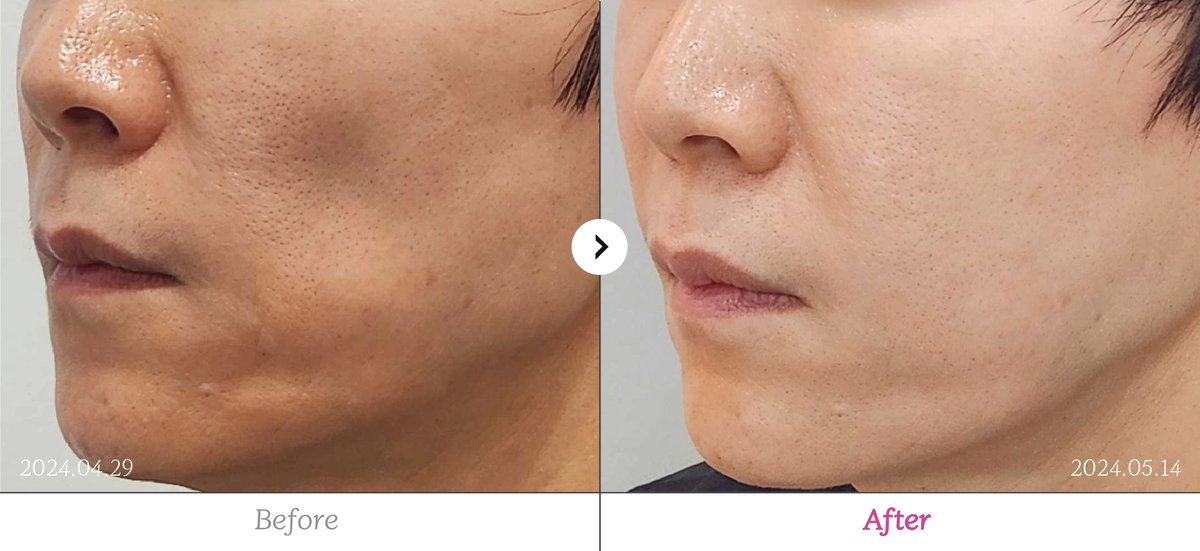
Discovery 1: The reservation experience – it’s actually possible to obtain preliminary consultations online first.
To be honest, at first, I thought that Reberry would be just like most popular clinics – where you would have to wait a long time for a phone appointment, or your application would simply disappear without any response after you filled out the online form. But in reality, it was actually a bit different.
Their online reservation system allows for pre-treatment consultations—not those automated responses provided by robots, but actual human professionals (or at least highly simulated customer service representatives) who take the time to understand your needs. When I filled out the form, I stated that I wanted to improve my Pores and early signs of aging. The person who responded asked very specific questions, including my skin type, whether I had undergone similar treatments before, and my tolerance to pain.
This really impressed me. Because a truly “assembly-line” type of clinic wouldn’t spend time getting to know you before the procedure—they just want to get you in, complete the treatment, and move on to the next patient. In this regard, Reberry at least gave me the impression that they cared who you were.

Discovery 2: The first impression upon arriving at the clinic – it’s not as crowded as one might imagine
Reberry has several branches in Seoul, and I visited their main branch in Gangnam. I went there on a weekday afternoon. I had expected the place to be crowded with people, given all the positive reviews online, but in fact, after waiting for about 15 minutes in the waiting area, I found the environment much quieter than I had imagined.
The seating in the waiting area is semi-private; unlike some clinics where people are crammed together and you can hear everything around you, the design here creates a sense of “having your own space.” Even while waiting, you won’t feel ignored or surrounded by others.
When the nurse came to guide me to my seat, she called my name instead of my number. Such a small detail, yet for me, it represented the realization that “you are not just a number.”

Discovery 3: Doctor consultations – Are they really listening to what I’m saying?
This is the aspect that concerns me the most. In many clinics, doctors take a quick look and then say, “You are suitable for XXX,” before leaving immediately. However, I must say that the consultation time with the doctors at Reberry was longer than I expected.
After entering the room, the doctor first carefully examined my skin condition using their specialized skin testing equipment, and then asked me several questions.
- “Do you usually use acidic products for skin care?”
- “During this trip to South Korea, apart from skin treatment, are there any other plans?”
- “What concerns do you have regarding the recovery period?”
These issues made me feel that they had taken my actual circumstances into consideration when formulating the treatment plan. For example, when I mentioned that I had other commitments the next day, the doctor proactively adjusted the intensity of the treatment and selected a plan with a shorter recovery period. Such things would never happen at a “assembly-line clinic” – there, their only concern is whether they can complete the treatment on the same day.
Of course, I wouldn’t claim that the doctor spent half an hour talking with me – after all, I do know how to manage my time. But the key issues were indeed addressed, and my concerns were also taken into consideration; at least that, I can confirm.
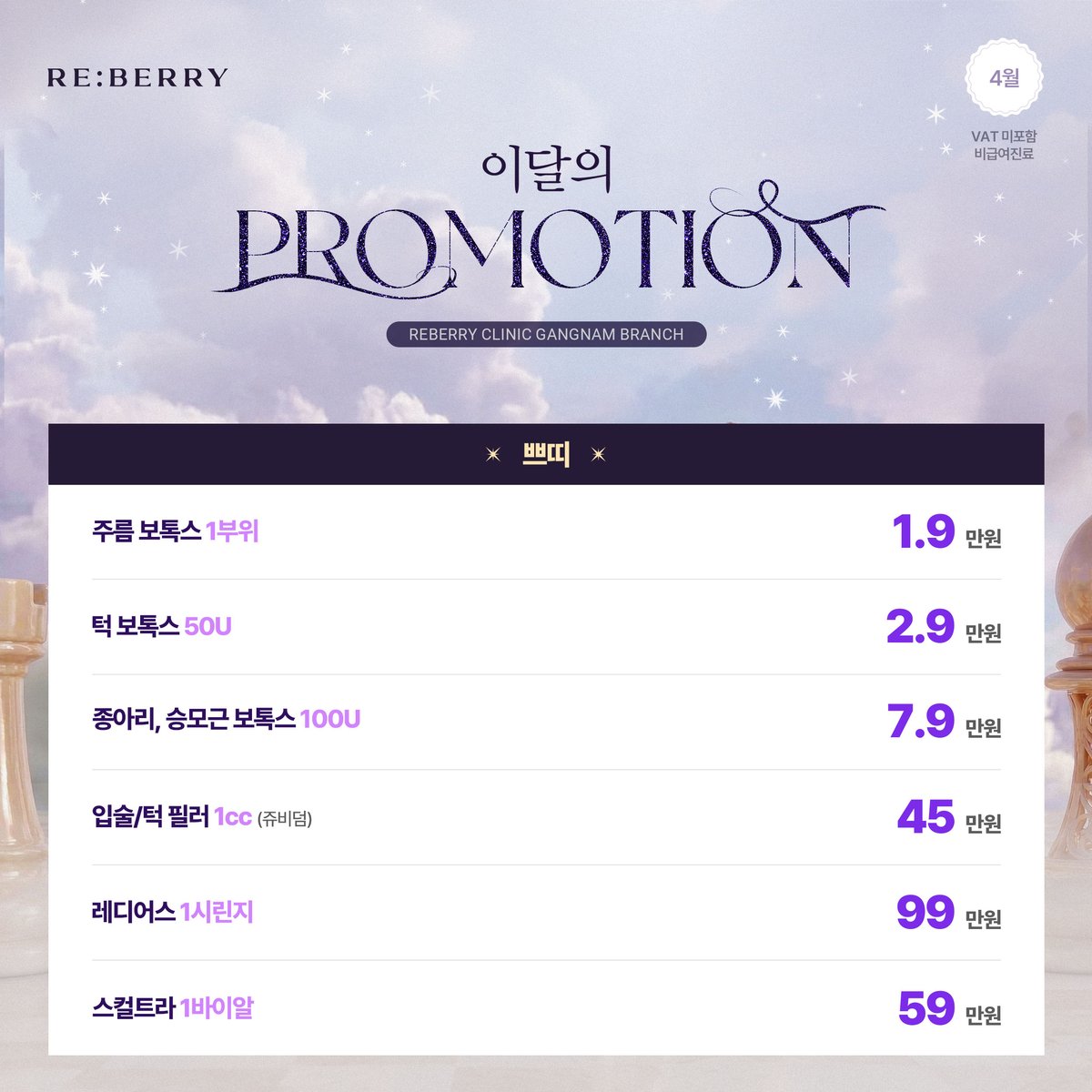
Discovery 4: The treatment process – is it a “standard procedure” or a “tailor-made approach”?
This is the most fundamental question: Is Reberry’s treatment process actually just a form of assembly line production?
My observation is that there are standard procedures in place, but they do not constitute a assembly line.
The so-called “standard procedure” refers to a set of proven treatment steps, such as cleansing → numbing → treatment → sedation → postoperative care. This is not necessarily a bad thing; in fact, the existence of standard procedures is precisely aimed at ensuring safety and consistent results.
However, the difference between a “assembly line” and a “standard process” lies in whether the doctor/nurse makes adjustments based on your immediate reactions during the procedure.
During the treatment, there were a few times when I couldn’t help but frown due to increased sensitivity in certain areas. The nurse would immediately stop and ask me, “Is it too painful? Do you need more anesthetic applied?” The doctor also came in to check on the progress several times to ensure that my skin was reacting normally.
In this process, there is a sense of monitoring and adjustment; it is not like an assembly line. An assembly line operates on a “just push and it moves forward” principle, without considering whether you feel pain or how well your body responds.

Discovery 5: Postoperative follow-up – this is what truly matters most.
In many clinics, the moment you walk out the door, they act as if you don’t exist anymore. However, at Reberry, there is a post-treatment follow-up system in place after the surgery or treatment is completed.
That very evening, I received a post-operative care guide (available in Chinese!) which provided detailed instructions on how to proceed.
- Can I wash my face on that night? (Answer: It depends on the type of treatment.)
- Can I wear makeup the day after?
- What should be done if swelling occurs?
- What symptoms require immediate contact with a clinic?
Moreover, they didn’t just send the message and forget about it – three days later, they followed up to ask how my recovery was going and whether I was experiencing any discomfort. Such follow-up is particularly important for overseas tourists, because when we return home, it’s a very practical consideration to know whether we can find someone to seek help if anything goes wrong.
I have a friend who previously underwent treatment at another clinic, but experienced an allergic reaction after the procedure. They were unable to get in touch with the clinic by phone, so they had no choice but to go to the local emergency room. Post-treatment follow-up is not something that can be considered an extra service; it is a basic requirement. In this regard, I think Reberry meets the standards.

So, is Reberry really just a assembly line?
My conclusion is: it does not meet the definition of a “assembly-line clinic” as I understand it.
However, it is not that kind of high-end boutique clinic that offers “one-on-one personalized services.” It falls somewhere in between – it operates on a large scale and follows standard procedures, but it truly puts people first in key aspects such as consultation, treatment adjustments, and post-operative follow-up.
If what you expect is a service where a doctor accompanies the patient throughout the entire process for two hours, then Reberry may not be suitable for you. But if, like me, what you hope for is…
It is effective, safe, does not require long waiting times, has a reasonable price, and there is someone to take care of you after the procedure.
Well, Reberry, I think it’s an option worth considering.

My honest advice: When choosing a clinic, don’t just focus on whether it operates on a “assembly line” basis.
In conclusion, I would like to share something from the bottom of my heart: whether a clinic operates on an assembly line or not should not be the only criterion you use when choosing a clinic to visit.
Some so-called “customized” clinics charge three times as much as Reberry, but the results may not necessarily be three times better. On the contrary, some “mass-produced” clinics, due to their large number of cases and experienced doctors, achieve more stable results.
The real question that needs to be asked is:
- Do the doctors at this clinic have enough experience to meet my needs?
- Are their equipment and products sourced from legitimate channels?
- If there are any problems after the procedure, will it be possible to find someone to help?
- Are the prices transparent, or are there any hidden costs?
Regarding these issues, my experience with Reberry this time was satisfactory. This doesn’t mean that it is suitable for everyone, but at least it isn’t a clinic that I would warn people against visiting at all.
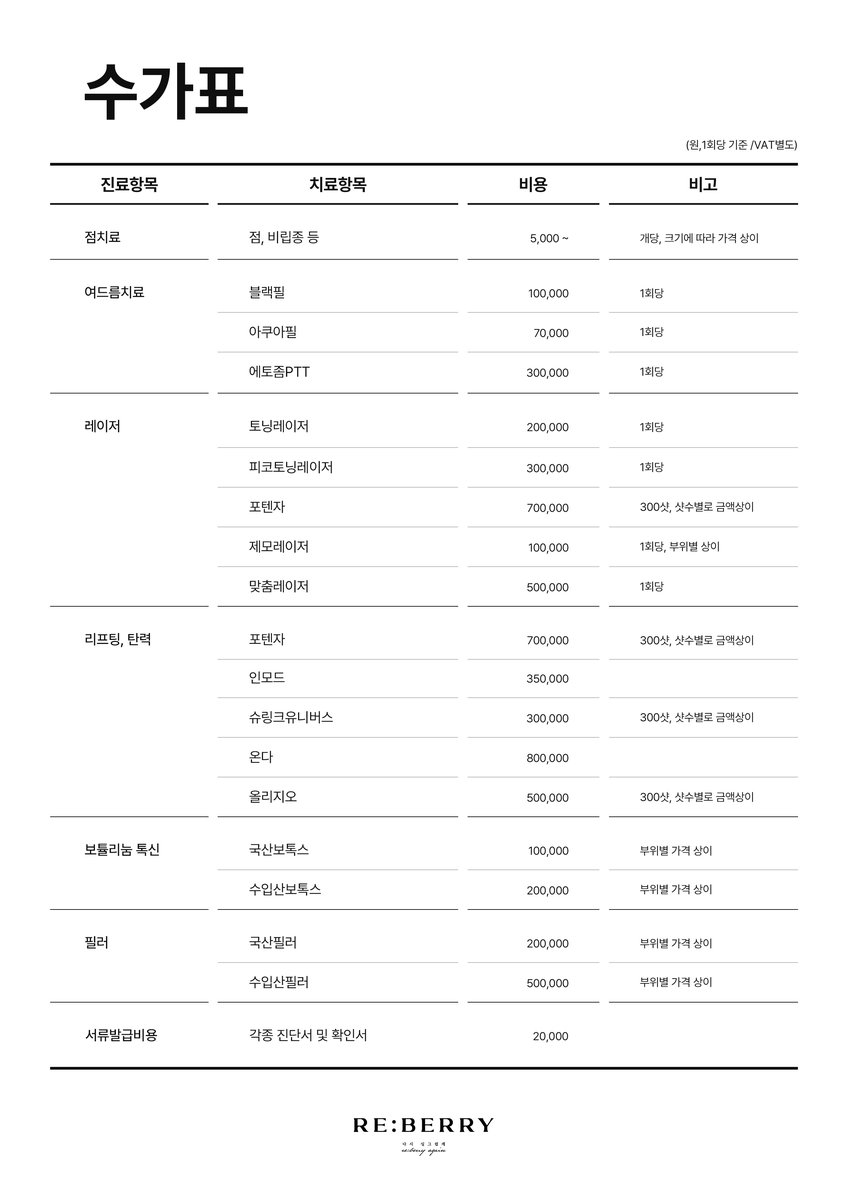
Practical information: How to make an appointment with Reberry?
If you are interested in Reberry, here are some practical ways to make an appointment:
- Official website: You can directly fill out the reservation form (available in Chinese).
- BeautsGO platform: Allows users to view genuine reviews from real customers, compare prices, and make direct reservations.
- WeChat/LINE: Some clinics offer Chinese-language customer service.
It is recommended to make a reservation at least 1-2 weeks in advance before your departure, especially during the peak seasons (summer and winter vacations, peak travel periods). During these times, slots are often filled up quickly.
Written at the end
This article started with my desire to understand whether “Reberry was a mass-production model,” and ultimately led to a response that may not be particularly shocking, but is certainly true: it is not a mass-production model, nor is it a high-end private clinic; rather, it is a Dermatology practice that operates on a large scale, adheres to established standards, yet maintains a human touch in its key aspects.
If you are considering undergoing skin treatments in South Korea, I hope these five findings of mine can provide you with additional information to help you make an informed decision. After all, choosing the right clinic is already half the battle towards a successful treatment outcome.
Wishing everyone can find a clinic that suits them and achieve safe and beautiful results 💜
📋 Make an appointment at Reberry Dermatology
👉 Click here to book an appointment at Reberry Dermatology immediately (on the BeautsGO platform).
Well-known Dermatology clinic at Gangnam Station in South Korea · Chinese-speaking director on-site · Reviews from real customers
![[Recommended by Gangnam Dermatology Institute in South Korea] Is Hongdae MIND Dermatology worth visiting? Specialized one-on-one consultation experience | BeautsGO reservation guide缩略图](https://intlmed.cceeo.com/wp-content/uploads/2026/05/lumiin_env_3.png "[Recommended by Gangnam Dermatology Institute in South Korea] Is Hongdae MIND Dermatology worth visiting? Specialized one-on-one consultation experience | BeautsGO reservation guide缩略图")
![[Recommended by Gangnam Dermatology Institute in South Korea] Is the Leaders Apgujeong store of Leaders reliable? First-hand experience with Collagen injections | BeautsGO reservation guide缩略图](https://intlmed.cceeo.com/wp-content/uploads/2026/05/env_8_87fac84f.png "[Recommended by Gangnam Dermatology Institute in South Korea] Is the Leaders Apgujeong store of Leaders reliable? First-hand experience with Collagen injections | BeautsGO reservation guide缩略图")