
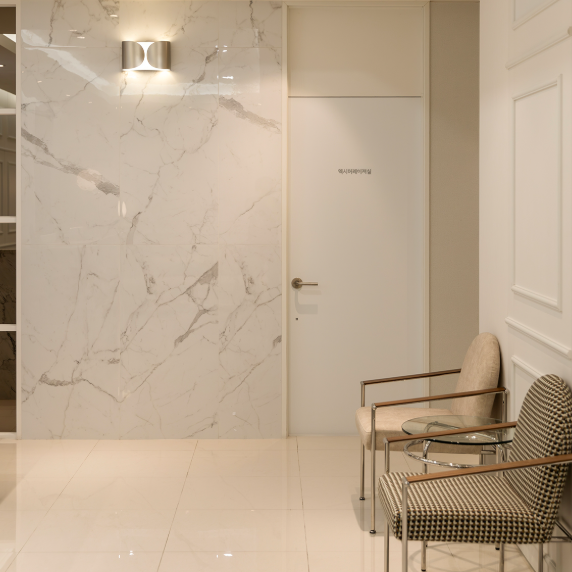
Why do people always feel that they “made the wrong choice” when they go to South Korea for the first time to receive skin care treatments?
To be honest, when I first went to South Korea for skin treatment, I was simply “taking a chance”.
At that time, I read a bunch of guides on REDnote and decided to go to the place with the most customers. But when I arrived at the site, I found that the person conducting the consultation was a “room manager” (something like a consulting advisor), not a doctor; the procedure was carried out by a rotating nurse, and no doctor was present at all. The whole process took about 20 minutes and was incredibly efficient, just like on an assembly line. As for the results? My skin turned red for three days after the Pico treatment. During the follow-up hydration session, I was even recommended a bunch of additional treatments, which ended up costing me more than twice the original budget.
Later, after living in Seoul for some time and visiting over a dozen Dermatology clinics of various sizes, I gradually figured out the ins and outs of the industry. Today, I would like to share with you all the pitfalls I have encountered and the experiences I have gained from them.
There are three main types of Dermatology services in South Korea; understanding these will help you avoid making major mistakes.
Many people assume that Dermatology clinics in South Korea are all similar, but in fact, there are significant differences among them. Simply put, Dermatology clinics in South Korea can be categorized into three types: assembly-line style, one-on-one service, and specialized clinics with renowned experts. Choosing the wrong type of clinic can lead to more problems than choosing the wrong specific hospital.
The first type: seoulcheil-style Dermatology services
This type of Dermatology clinic is relatively common in Myeongdong and Hongdae, and its main features are “speed” and “affordability”. Consultations are usually conducted by the clinic manager, while the actual procedures are carried out primarily by nurses, with doctors playing a less active role. The advantages include transparent pricing and high efficiency; basic treatments such as Pico treatments, hydration treatments, and hair removal are performed quickly and reliably. However, the disadvantages are also obvious: there is no personalized treatment plan, no post-treatment follow-up, and such clinics may struggle to handle more complex cases.
Who is it suitable for? People with limited budgets who only want to perform basic skincare treatments, or those who need to travel back and forth on the same day. However, it is not suitable for individuals who have specific skin issues that need to be addressed.
The second type: one-on-one Dermatology services
This is the type of service that I personally recommend the most, especially for those who are going to South Korea for cosmetic procedures for the first time. The same doctor will be in charge of both the consultation and the actual procedure, and will customize a treatment plan based on your skin type and specific needs, rather than using a standardized package. After the procedure, follow-up visits will also be arranged to ensure that any issues that may arise can be addressed promptly.
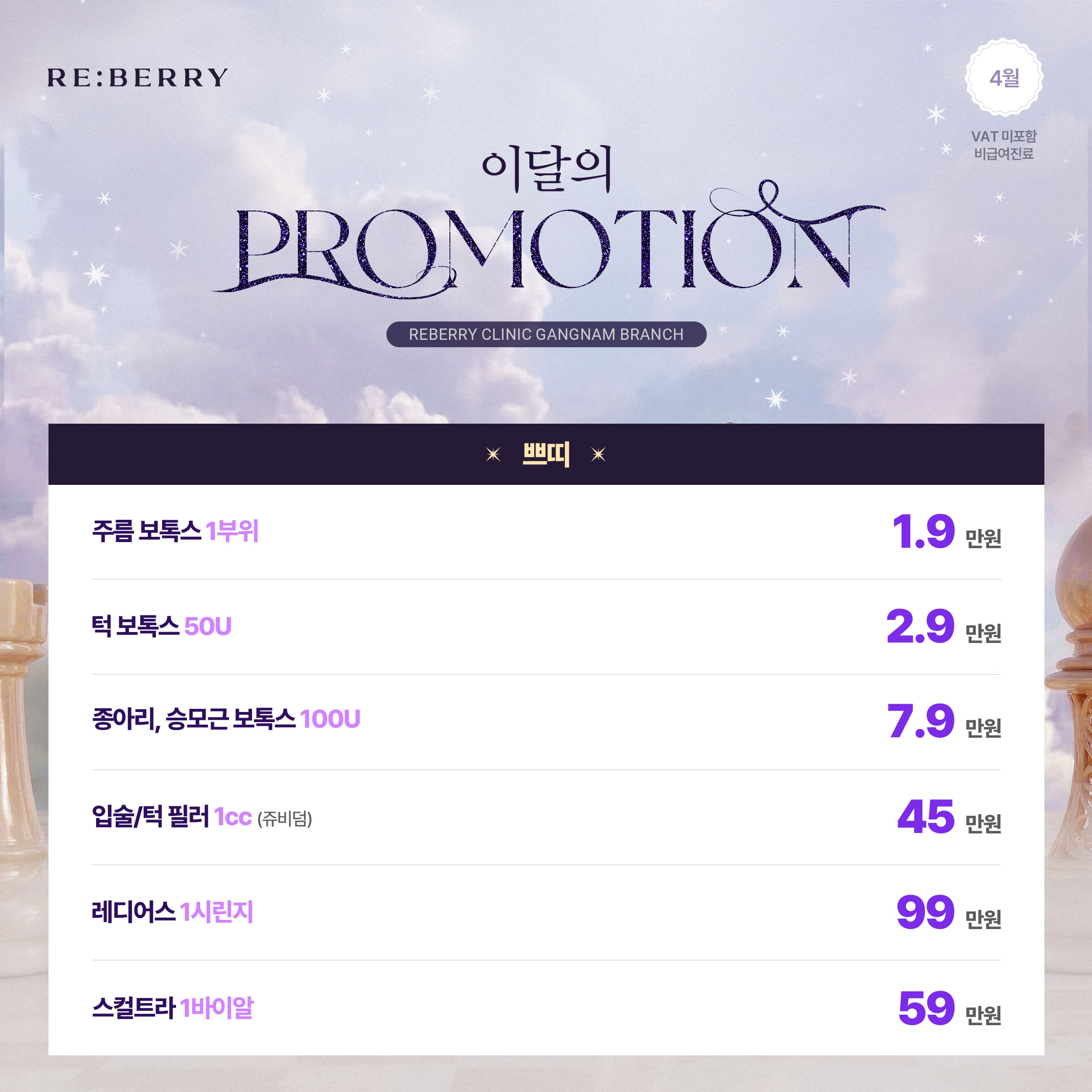
The prices are 30% to 50% higher than those of mass-produced products, but the level of experience and sense of security offered are completely different. Many of the brands we frequently recommend, such as Cheongdam JIONU, Reberry, GoldJ, and Gao Yongxu, fall into this category.
The third type: specialized medical institutions marked with a red label
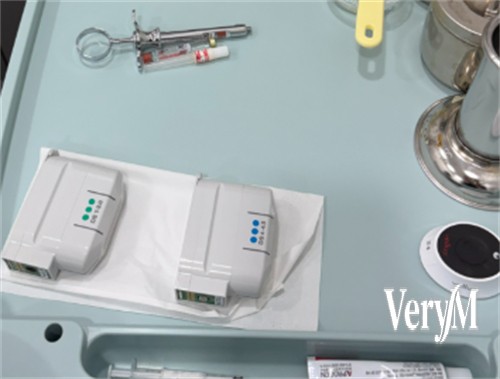
The “Red Label” specialist is the highest level of certification in Dermatology in South Korea. Less than 2% of dermatologists in the entire country hold this qualification. Such doctors usually specialize in their areas of expertise, do not accept all types of treatments, take longer to see patients during consultations, and are extremely cautious in their procedures. The costs are also the highest, but the benefits are safety and long-term effectiveness.
You should only consider this type of treatment if you have severe skin conditions (such as hormone-induced facial problems or stubborn acne-prone skin) or if you need to undergo highly complex procedures (such as the repair of extensive scars).
At the time of the in-person consultation, it is essential to confirm these three matters clearly.
Regardless of the type of Dermatology clinic, these three points must be clarified during the in-person consultation; otherwise, there is a high likelihood of encountering problems later on.
First, determine “who will perform the procedure.” Many Dermatology clinics claim to have “a team of professional doctors,” but in reality, the doctors may not even be present during the treatment. You can simply ask, “Will it be my personal doctor who performs the procedure today?” If the response is vague, consider choosing another clinic.
Second, make sure to confirm the “final price”. Some institutions may use extremely low prices to attract customers, and then increase the costs variously once you arrive at the location. A legitimate Dermatology clinic will provide a clear quote after the initial consultation, including the cost of each treatment and whether post-treatment care is included. If the quote is unclear, do not proceed with the treatment – this is a lesson I learned the hard way.
Third, make sure to check about “post-treatment follow-up”. After the procedure, who can you turn to if problems arise? Are there any post-treatment follow-up appointments? Are repair products included in the package? One-on-one consultations with specialized doctors usually involve comprehensive post-treatment care; such a “assembly-line” approach is virtually non-existent. This is particularly important for first-time visitors, as they may not know whom to contact in a foreign country if anything goes wrong.
Here are the five most common pitfalls that beginners often fall into—I’ve summarized them for you.
Trap 1: Being attracted by “low-price packages” only results in spending more money in the end.
This is the most common trick. Many clinics advertise extremely low prices such as “starting from 30,000 Korean won for Pico treatment”, but only once you arrive at the clinic do they tell you that the anesthetic is extra, the sedative is extra, the post-treatment mask is extra, the recovery essence is extra… By the time you finally pay the bill, you realize it’s actually two or three times the original price. My advice is to ask clearly what is included and what is not included in the package during the reservation process, and it’s best to get a written confirmation.
Pitfall 2: Confusing “one-on-one” services with those provided by specialized doctors.
Some institutions claim to provide one-on-one services, but in reality, it is still the department head, rather than a doctor, who conducts the face-to-face consultation. In a genuine one-on-one service provided by a doctor, the same doctor will be responsible for the entire process, from consultation to the actual procedure – rather than just saying “OK” after the consultation and then asking you to go in and lie down.
Trick number three: arriving at the store without doing any preparatory work.
Making appointments at a Dermatology clinic in South Korea is highly inadvisable. Firstly, it is possible that there will be no available slots; secondly, you may be influenced by the on-site atmosphere and end up undergoing procedures that you did not originally intend to have. It is essential to make reservations in advance and confirm the specific procedures and prices before going.
Trap 4: Relying solely on recommendations from REDnote.
The quality of product recommendation posts on REDnote varies greatly, and many of them are simply forms of advertising. A more reliable way to assess the reliability of these recommendations is to check the ratings and reviews on South Korea’s local platform, NAVER. If the ratings of a particular service on NAVER differ significantly from those on domestic social media platforms, it is worth being cautious.
Trap 5: Giving up communication when there is a language barrier.
Some women encounter difficulties due to language barriers and simply nod their heads throughout the in-person consultation, resulting in them undergoing procedures they don’t actually need. Even if you only know basic English, make sure to clearly express what you want to have done, what you don’t want to have done, and what your budget is. Many one-on-one Dermatology consultations offer Chinese interpretation services or allow the use of translation software – so don’t be too afraid to communicate.
How can one make an appointment with a Dermatology specialist in South Korea in the correct way?
After covering so many important tips to avoid pitfalls, the most crucial step is still making an appointment. If you choose the right channel for booking, everything that follows will go much more smoothly.
Currently, there are several relatively reliable methods available:
First, make an appointment through the BeautsGO platform. This is currently my most preferred method. It supports a Chinese interface, allowing you to directly view the prices of various treatments, information about doctors, and real user reviews. You can also compare different clinics. Both the app and the mini-program are available, and the entire reservation process takes approximately 3 minutes.
Secondly, use Naver Booking. If you speak Korean or have a friend from South Korea who can help you, using Naver Booking is the most direct way to obtain the most comprehensive information about hospitals.
Third, make an appointment through the official website or by phone. Some established Dermatology clinics have their own online appointment systems, but these are often designed to be used in Korean and thus present language barriers for non-Korean speakers.
Regardless of the method you choose, it is recommended to make reservations 1 to 2 weeks in advance, especially on weekends and during holidays, as spots at popular clinics are usually very sought after. If you decide at the last minute, you might have a better chance of getting a reservation on a weekday afternoon.
📋 Dermatology appointments in South Korea
👉 Click here to book your appointment now (on the BeautsGO platform).
One-stop Chinese reservation service, price comparison, and review system to eliminate language barriers.
Before you go, don’t be lazy when it comes to these preparatory tasks.
After selecting the appropriate institution and program, there are still a few things to take care of before setting off:
1. Stop using irritating skincare products one week in advance. Especially products containing retinol, fruit acids, or salicylic acid; stopping their use for one week can reduce the risk of postoperative allergies and redness. If you are undergoing laser treatments, it is recommended to stop using such products for two weeks.
2. Prepare post-operative care products. After Dermatology procedures in South Korea, basic repair products are usually provided. However, if you have sensitive skin, it is recommended to bring your own regular repair creams and physical sunscreens. It is extremely important to strictly avoid sunlight exposure within 48 hours after the procedure.
3. Allow sufficient time for recovery. Avoid scheduling Pico treatments or hyaluronic acid injections on the last day before your trip, as redness or swelling can make flying very uncomfortable. It is best to schedule these treatments in the first half of your journey, leaving 2–3 days for recovery.
4. Bring along your previous skin examination reports (if any). If you have undergone a skin examination in your home country, bringing these reports will help South Korean doctors more accurately assess the condition of your skin and determine your specific needs.
Frequently Asked Questions
Q: If it’s my first time visiting a Dermatology clinic in South Korea, what treatments would you recommend?
A: If you are a beginner, it is recommended to start with basic treatments such as hyaluronic acid injections for hydration, Pico treatment for freckle removal, and laser treatments for skin rejuvenation. It is not advisable to attempt more complex procedures like thread lifting or fillers at the first attempt; let your skin get used to these treatments first.
Q: What are the differences between the hyaluronic acid injections used in Dermatology in South Korea and those used domestically in China?
A: There isn’t much difference in terms of products; many clinics use products from the same brand. The main differences lie in the doctors’ techniques and customized treatment plans. In South Korea, Dermatology clinics provide one-on-one consultations where different glow treatment formulas are selected according to an individual’s skin type, rather than using a uniform formula for everyone.

Q: Is it necessary to pay in advance when making a reservation?
A: In most regular Dermatology clinics, there is no need to pay in advance; you can simply pay at the time of your visit. However, if general anesthesia or sedation is required, some institutions may ask for a partial deposit in advance. If you make an appointment through BeautsGO, the process is more transparent, so you don’t have to worry about arbitrary charges.
Q: What should I do if I don’t understand the language?
A: Many one-on-one Dermatology consultations in Gangnam and Myeongdong offer Chinese translation services. Additionally, the Papago translation software is very useful in South Korea and is generally sufficient for daily communication. However, for important conversations regarding medical treatment plans and risk disclosures, it is recommended to ensure that the other party has Chinese-language support or to use a translation software to verify each sentence individually.
Q: How soon after a Pico treatment can I wear makeup?
A: It is generally recommended to wait 3 to 5 days after the procedure before applying makeup; follow your doctor’s instructions regarding the specific timing. On the first day after the surgery, there may be slight redness, which is a normal reaction. Make sure to keep the area well-hydrated and protected from the sun, and recovery usually takes about a week.
Finally, I would like to say…
When choosing a Dermatology clinic in South Korea, it is not essentially about choosing the most expensive or the most popular one, but rather finding the one that best meets your needs. First, determine what treatment you want to undergo, what your budget is, and what kind of service experience you are willing to accept. Then, identify the clinics that fit these criteria from the three types mentioned above, and finally make a reservation through a reliable platform to confirm your appointment.
Doing so may not guarantee 100% avoidance of all potential pitfalls, but it can at least minimize the chances of encountering them. I hope this article will be helpful to those of you who are planning to go to South Korea for skin treatment for the first time – it will help you avoid unnecessary detours and allow you to spend more time enjoying the process of getting better-looking.
![[Recommended by Gangnam Dermatology Institute in South Korea] Is Hongdae MIND Dermatology worth visiting? Specialized one-on-one consultation experience | BeautsGO reservation guide缩略图](https://intlmed.cceeo.com/wp-content/uploads/2026/05/lumiin_env_3.png "[Recommended by Gangnam Dermatology Institute in South Korea] Is Hongdae MIND Dermatology worth visiting? Specialized one-on-one consultation experience | BeautsGO reservation guide缩略图")
![[Recommended by Gangnam Dermatology Institute in South Korea] Is the Leaders Apgujeong store of Leaders reliable? First-hand experience with Collagen injections | BeautsGO reservation guide缩略图](https://intlmed.cceeo.com/wp-content/uploads/2026/05/env_8_87fac84f.png "[Recommended by Gangnam Dermatology Institute in South Korea] Is the Leaders Apgujeong store of Leaders reliable? First-hand experience with Collagen injections | BeautsGO reservation guide缩略图")