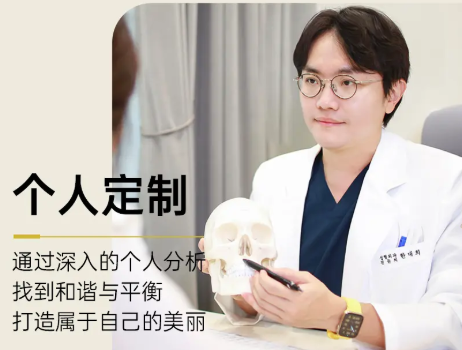
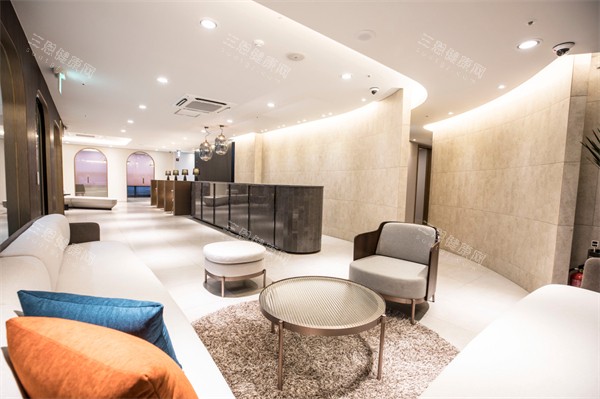
If you have also searched on Google for keywords such as “how much does Thermage cost in South Korea”, “price of Ulthrea”, or “is the Thermage+Ulthrea combination treatment worth it”, then this article is definitely for you. Here’s the answer: The combined treatment of Thermage and Ulthrea in South Korea currently costs around 3.5 million to 6 million Korean won (equivalent to approximately 80,000 to 140,000 Taiwanese dollars). Some popular Dermatology clinics even offer package deals at a discounted price of 4.55 million Korean won (about 105,000 Taiwanese dollars), which include a personal consultation with the clinic director, pre-treatment skin examinations, and post-treatment care. Compared to the 80,000 to 100,000 Taiwanese dollars required for each treatment in Taiwan, the price of these two treatments in South Korea is truly enough to make you want to book a flight right away.
But does a lower price necessarily make it worth it? At the beginning of this year, I actually traveled to Seoul and underwent a combined treatment using heat therapy. I will document the entire process in detail, from making the appointment to the recovery period after the surgery. In this article, I will share with you all the cost information, the treatment procedure, my personal experience with the results, and some tips for choosing a clinic – without any concealment or exaggeration.
I. What exactly is the difference between Thermage and HIFU? Understand this before deciding whether to use them together.
Many people think that Thermage and HIFU are “different brands of the same product,” but this is actually the biggest misunderstanding. Not only do they belong to different brands, but their working principles, treatment approaches, and main effects are also completely different.
They function at different levels: one focuses on “tightening,” while the other emphasizes “lifting.”
Let’s start with the conclusion: Thermage focuses on “tightening,” while HIFU emphasizes “lifting.”
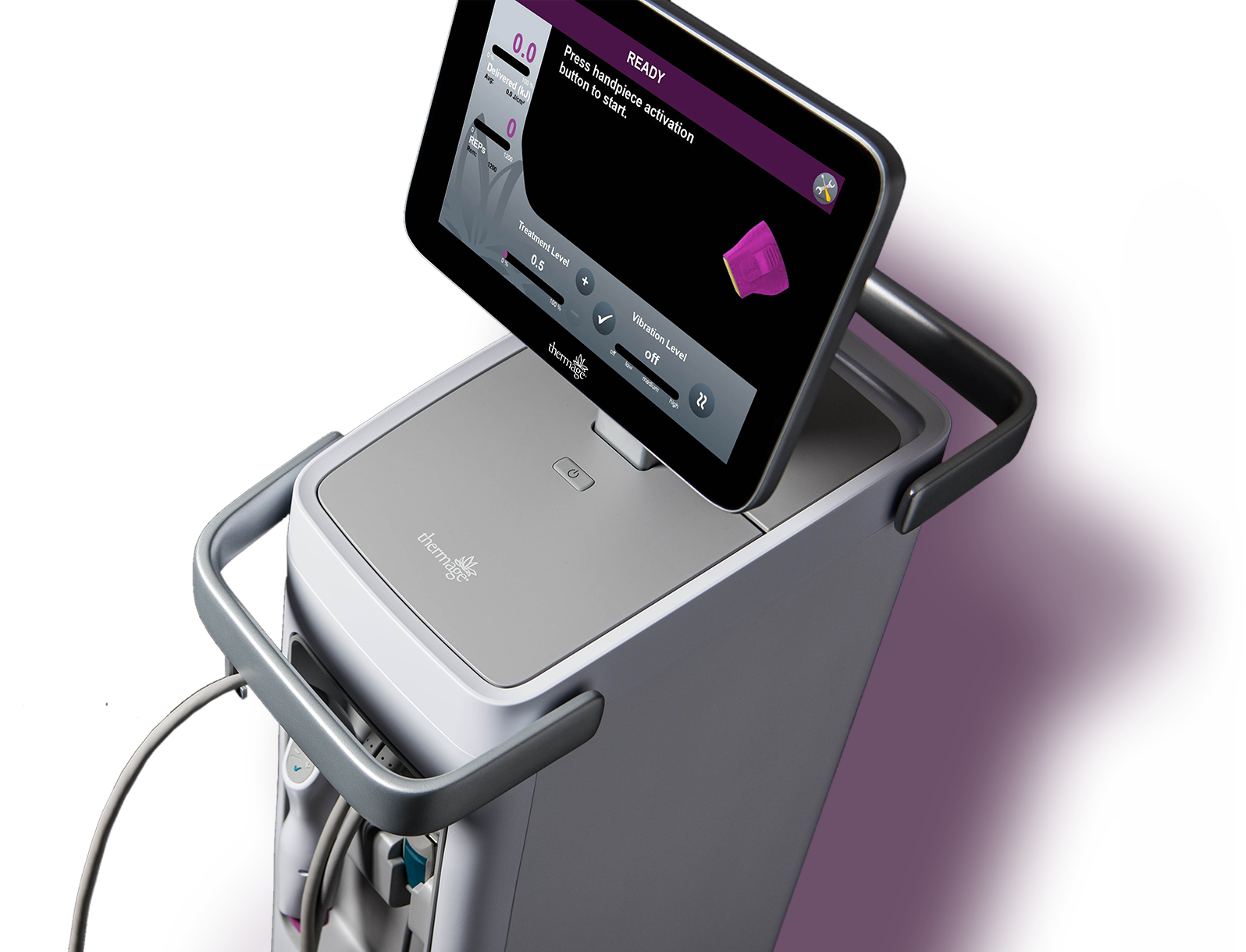
Thermage uses monopolar RF energy to heat the dermis and subcutaneous tissues, causing Collagen to contract immediately while stimulating the production of new Collagen. Its effect penetrates approximately 3 mm deep, primarily addressing superficial issues such as skin laxity, fine lines, and enlarged Pores. Imagine using an iron to smooth out wrinkled clothes—that’s exactly what Thermage does.
HIFU uses high-intensity focused ultrasound to deliver energy that can penetrate to the deeper SMAS fascia layer (at a depth of 4.5 mm), which is precisely the same layer that is targeted during surgical facelift procedures. HIFU acts at three different depths: 1.5 mm, 3.0 mm, and 4.5 mm, and its main effects include lifting the facial contours, improving the jawline, and reducing the appearance of Nasolabial Fold Correction. In simple terms, it helps to “lift” sagging facial tissues back into place.
If you’re still not sure which anti-aging treatment is right for you, you can first take a look at the TOP8 ranking of popul. This ranking provides a detailed comparison of the advantages, disadvantages, and target audiences of eight popular treatments, including Thermage, HIFU, InMode, and Titanium Lifting.
2. The level of pain and the recovery period also vary.
To be honest, the HIFU is much more painful than Thermage. The energy from the HIFU is pulsed, and when it reaches deeper layers of the skin, it causes a sensation of “stinging pain and swelling,” especially in areas near the bones such as the jawline and chin. You really need to take deep breaths to endure the discomfort. In contrast, Thermage provides a continuous warm sensation, and the new FLX model even comes with vibration and cooling functions, making it much more comfortable to use.
In terms of the recovery period, both treatments are non-invasive, and patients can go out normally on the same day after the procedure. After HIFU, there may be slight redness and swelling, which usually subsides within 1-2 days; however, after Thermage treatment, it is almost impossible to tell that the procedure was performed.
| Comparative projects | Thermage FLX | Ulthrea |
|---|---|---|
| Type of technology | Monopolar Radio Frequency (RF) | High-intensity focused ultrasound (HIFU) |
| Depth of effect | Approximately 3 mm (dermis + subcutaneous tissue) | 1.5/3.0/4.5mm (including the SMAS layer) |
| Primary effects | Tightening, Pore tightening, reducing fine lines | Lift the facial contours, improve the jawline, and reduce the appearance of Nasolabial Fold Correction. |
| Pain | A warm and comfortable sensation | A sour, swollen, and stinging sensation is quite noticeable. |
| Peak effect period | 3 to 6 months | Two to three months |
| Duration | Around 1 to 1.5 years | Around 1 to 2 years |
| Just focusing on the price (South Korea) | 1.5 to 3 million Korean won | 2 to 4 million Korean won |
II. How much does it actually cost to participate in the South Korea Hot Super League? The real prices are available for everyone to see.
This is probably the part that everyone is most interested in. I have compiled the latest price information for 2026, using high-end Dermatology clinics in Gangnam District and Cheongdam-dong, Seoul, as a reference:
| Treatment plan | Price range (Korean won) | Agreed on the amount in Taiwanese dollars |
|---|---|---|
| Using only the Ulthrea (300-500 treatments for the entire face) | 2 to 4 million | Ranging from approximately 46,000 to 92,000 |
| Performing only Thermage FLX treatment (600–900 hairs per face) | 1.5 to 3 million | Approximately 35,000 to 70,000 |
| Combo Package of HIFU and Thermage (500 HIFU treatments + 600 Thermage treatments) | 3.5 to 6 million | Around 80,000 to 140,000 |
| Discount packages available at some clinics | 4.55 million | Approximately 105,000 |
For comparison, in Taiwan, the cost of a single treatment with the Ulthrea is approximately 80,000 to 120,000 New Taiwan dollars, while Thermage costs 60,000 to 100,000 New Taiwan dollars. Together, these two treatments cost at least 140,000 to 220,000 New Taiwan dollars. In South Korea, however, the total cost for these two treatments is as low as 80,000 to 100,000 New Taiwan dollars, which is almost half the price in Taiwan.
However, it’s important to note that prices are determined by three key factors: the number of hairs implanted, the version of the equipment used, and whether the procedure is performed by the clinic director personally. Some clinics may offer particularly low prices, but this could be due to a smaller number of hairs implanted, the use of older equipment, or the involvement of less experienced doctors. Although cheapness is attractive, remember that you only have one face – so make sure to check these details carefully.
I have previously written in detail about an. Those who are interested can click through to read more; it also includes information on tax refunds and ways to save money.

III. Who is suitable for undergoing hyperthermic radiofrequency treatment? My real experiences after undergoing the procedure
My situation
Let me start by describing my situation: I am 35 years old and have mixed-type skin. In the past two years, I have clearly noticed that the flesh on my cheeks has started to sag, my jawline has become increasingly blurred, and my Nasolabial Fold Correction has deepened when I smile. I once underwent a Korean-style HIFU treatment called “Shurink,” and the results lasted for about half a year, but I always felt that it wasn’t perfect enough. Later, after consulting several clinics, the doctors all recommended that I try thermal HIFU combined with other treatments, because my problem was not just sagging but also overall skin laxity caused by the loss of Collagen.
2. Suitable for specific groups of people
Based on my consulting experience and personal observations, the following situations are particularly suitable for considering hyperthermic combined treatments:
✓ If you are suffering from both obvious sagging and loose skin – with a blurred jawline, deep Nasolabial Fold Correction, drooping cheeks, poor skin elasticity, and enlarged Pores – it is very difficult to achieve satisfactory results by using only one treatment method.
✓ After the age of 30, the loss of Collagen accelerates significantly. Once you turn 30, Collagen is lost at a rate of approximately 1% per year. The Thermolift combined therapy represents a relatively comprehensive approach to skin care.
✓ If you want to solve multiple problems at once – instead of flying to South Korea twice, it’s better to do it all in one go. Moreover, combined packages usually come with discounts.
✓ Worried about surgical facelifts but seeking noticeable results? Thermage combined with other non-invasive treatments represents the pinnacle of anti-aging solutions.
3. Not suitable for certain groups of people
✗ If the degree of relaxation is minimal, just one treatment is enough – no need to waste money on unnecessary procedures.
✗ If your budget is limited, you could consider doing just one of these treatments, or opt for Korean-style equipment for periodic maintenance.
✗ Pregnant or breastfeeding women: This treatment is absolutely contraindicated.
✗ If there are metal implants or a pacemaker in the treatment area, this treatment cannot be performed.
IV. Unveiling the Entire Process of Thermal Hypercombination Therapy (with Real-Life Experiences)
1. Pre-operative consultation and skin examination
After arriving at the clinic, you first need to fill out some basic information, and then the director will personally conduct a skin examination. They use devices like VISIA or similar skin analyzers, which can detect deep-seated spots that are invisible to the naked eye, as well as the status of Collagen, Pores, and skin texture. Based on the results of the examination, the director will discuss with you the treatment plan—including the number of hair follicles to be used, the appropriate energy settings, and which areas require additional treatment.
This step is truly crucial, because everyone’s skin condition is different. It’s not the case that more hair grafts or higher energy levels are always better. A responsible clinic director will tell you, “This amount is sufficient for your specific needs,” rather than constantly recommending additional treatments.
2. Treatment sequence and process
My treatment sequence was to first undergo HIFU and then Thermage. The doctor said this order was more reasonable, as HIFU performed deep-tissue lifting, laying a “solid foundation,” while Thermage then tightened the superficial layers, “finishing the job.”
HIFU treatment session (about 40 minutes): First, marking lines are drawn on the face, and then a gel is applied. The doctor moves the probe across the skin, and at each point, you will feel a pulsating sensation accompanied by a deep, stinging pain. The areas around the jawline and chin are particularly sensitive, so I held a pressure ball throughout the procedure. However, the doctor would adjust the intensity of the treatment according to your reactions.
HIFU treatment session (about 50 minutes): After the HIFU treatment, the face may become slightly red. After taking a short rest, the BARUNGYN treatment begins. First, a grid pattern is marked on the face, and then the probe is used to heat each area individually. The experience during the BARUNGYN treatment is much more comfortable – before each pulse is emitted, there is a cool sensation, followed by warmth, and finally a slight vibration. Overall, it feels like receiving a warm massage.
3. Immediate post-treatment reactions
After the treatment, my face turns red, similar to the feeling of sunburn, but it doesn’t hurt. The areas treated with HIFU are slightly swollen, but there are no bruises. The clinic provided me with an ice pack and a post-treatment care kit (including a repair cream and sunscreen). That evening, I was able to eat and go shopping as usual.
V. What are the results? A true account from day 1 to 3 months.
Days 1-7: No noticeable changes at all
To be honest, in the first week, aside from a slight sense of tightness around the face, there was hardly any visible change in appearance. This is quite normal, because it takes time for Collagen to regenerate.
2. Weeks 2 to 4: The quality of the skin begins to improve.
About two weeks later, I noticed that my skin felt smoother to the touch, and my makeup applied more smoothly. It seemed that my Pores had undergone Reduction surgery, but the changes in their appearance were not yet very noticeable.
3. Second month: The results start to become noticeable.
This is the most remarkable stage! After about 60 days, one day when you looked in the mirror, you suddenly noticed something amazing—the line of your jaw had become much clearer! It wasn’t just the feeling that something had changed; you could actually see the distinct line extending from your chin to your ear. Moreover, the Nasolabial Fold Correction had also faded significantly, so when you smiled, it no longer created those deep lines on your face.
4. Month 3: The peak of results
After about three months, the results were at their best. The firmness and lift of my face were very noticeable; I no longer needed to choose specific angles when taking photos, and the contours of my side face looked much better than before. When friends saw me, they asked, “Have you lost weight recently?” — but actually, my weight hadn’t changed at all; it was just that my face had become firmer.
But to be honest, Thermage is not a cosmetic surgery procedure that can transform your round face into a V-shaped one. What it does is “improve” rather than “reconstruct.” If you’re expecting dramatic changes, you might need to adjust your expectations.
If you want to learn more about other treatments available in South Korea’s Dermatology clinics, you may find to popular treatments such as hyaluronic acid injections, Pico treatments, and Filler procedures.
VI. Guide to Choosing a Clinic to Avoid Pitfalls: Make sure to check these 5 points.
1. Is the equipment the latest genuine version?
For HIFU devices, please make sure to choose Ultherapy Prime (the second-generation Ulthrea); for Thermage treatments, choose Thermage FLX (the fifth-generation model). Some clinics use Korean-made equipment such as Shurink or Oligio but still claim to offer “HIFU” or “Thermage” treatments – these are actually different technologies. Korean-made equipment is much cheaper, but its effectiveness and duration of results are inferior to those of the American versions.
2. Are the number of treatments and the amount of energy used transparent?
Be sure to ask clearly: How many hairs will be implanted across the entire face? How many hairs will be placed in each specific area? What energy level will be used? Reputable clinics will provide you with all this information in detail and may even allow you to see the number of hairs being implanted on a screen during the treatment. If a clinic is vague about these details, it’s better to find another one.
3. Was it the director himself who conducted the consultation?
In a project like Thermage Ultra, which demands a high level of technical expertise, the skills and experience of the practitioner play a decisive role in determining the outcome. It is essential to ensure that the procedure is performed by the director himself, rather than by a less experienced doctor or nurse.
4. Are there any Chinese-language services available?
For those who don’t speak Korean, a Chinese translation is of great importance. During in-person consultations, there are many details that need to be discussed, and poor communication can potentially affect the development of the treatment p find clinics that offer services in Chinese.
5. Are the prices the same in China and South Korea?
Some clinics charge foreigners higher prices; it is best to confirm whether the rates are the same as those for South Koreans. Additionally, tax refunds are usually available for purchases above a certain amount, so don’t forget to bring your passport.
VII. Postoperative Care and Precautions (Follow these instructions strictly)
| time | Key Points of Nursing Care |
|---|---|
| On that day | Apply ice packs to reduce swelling, use SPF50+ sunscreen for protection against the sun, maintain gentle moisturization, and avoid alcohol and saunas. |
| Week 1 | Drink at least 2 liters of water daily, use medical repair creams, cleanse gently, and avoid intense exercise or other medical treatments related to beauty procedures. |
| The first month | Consume additional vitamin C and protein, get 7-8 hours of adequate sleep, quit smoking, and apply sunscreen every day. |
| In the long run | It is essential to apply sunscreen regularly, maintain skin hydration, undergo a Thermage treatment once a year, and use the HIFU device every 1.5 to 2 years. |

VIII. Conclusion: Is the Hot Ultra Alliance worth pursuing?
Three months later, my answer is: It’s worth it, but there are certain prerequisites.
If you, like me, face significant problems with sagging and loose skin, have a sufficient budget, and can find a reliable clinic and an experienced director, then Thermage combined therapy is indeed the “optimal solution” for non-invasive anti-aging treatments at present. Especially when having the procedure done in South Korea, the cost-performance ratio is truly excellent.
However, if your skin issues aren’t too severe or if your budget is limited, you don’t necessarily have to undergo both treatments at once. You can start by addressing the issue that bothers you the most, and the results will still be satisfactory. Don’t just follow the trend just because “everyone else is doing it.”
Most importantly: choosing the right clinic is far more crucial than selecting the right treatment. Even with the same HIFU technology, different doctors can achieve vastly different results. Do your research, read reviews, and compare options carefully—your face deserves the best.
FAQ: Common Questions about South Korea’s Heat Ultra League
Q1: Can Thermage and HIFU be performed on the same day?
Certainly. Many clinics in South Korea offer same-day treatment; typically, HIFU is performed first, followed by Thermage. However, some doctors recommend separating the treatments by 4 to 6 weeks, allowing for observation of the effects of the first treatment before determining the intensity of the second one. The specific plan should be determined after a face-to-face consultation with a doctor.
Q2: How long does the effect last after just one treatment?
The effects of combined thermal treatments generally last for 1.5 to 2 years. The firming effect of Thermage lasts for about 1 to 1.5 years, while the lifting effect of HIFU lasts for approximately 1 to 2 years. Due to the synergistic effects of these combined treatments, the duration of their results is usually longer than when they are used individually. However, since the rate of Collagen metabolism varies from person to person, the actual outcomes may differ accordingly.
Q3: Is there a significant difference between Korean and American versions of these devices?
The difference is significant. Korean-made devices such as Shurink and Oligio usually have a lifespan of around 6 months, while the American versions can last for 1 to 2 years. The advantage of Korean models is their lower price and reduced discomfort, making them suitable for periodic maintenance. If you are looking to achieve the best results in a single treatment, it is still recommended to choose the American version.
Q4: How long does it take to see the results after the procedure?
The tightening effects of Thermage begin to appear within 2-3 weeks and reach their peak after 2-3 months; the lifting effects of HIFU become noticeable after 2-3 months as well. When these treatments are combined, the overall results will become apparent in about 2-3 months. Therefore, there’s no need to worry just one week after the treatment – simply be patient and allow the Collagen to take its time to regenerate.
Q5: Can one get a tax refund when undergoing thermolysis treatments in South Korea?
Sure. In South Korea, customers who spend 30,000 Korean won or more on medical beauty treatments are eligible to apply for tax refunds, with the refund rate ranging from 7% to 10%. After the treatment, be sure to request the tax refund documents from the clinic and complete the refund procedures before departing from the airport.
Q6: Will my face feel stiff after the procedure?
No. Both Thermage and HIFU work by stimulating the body’s own production of Collagen; they do not cause muscle paralysis like botulinum toxin does. As long as the number of treatments and the energy settings are appropriate, a person’s expressions and the natural appearance of their face will not be affected in any way.
Choose your preferred way of making an appointment: