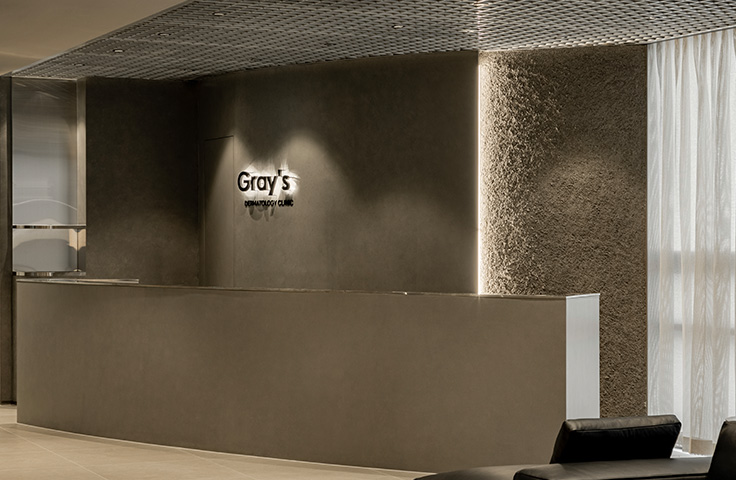
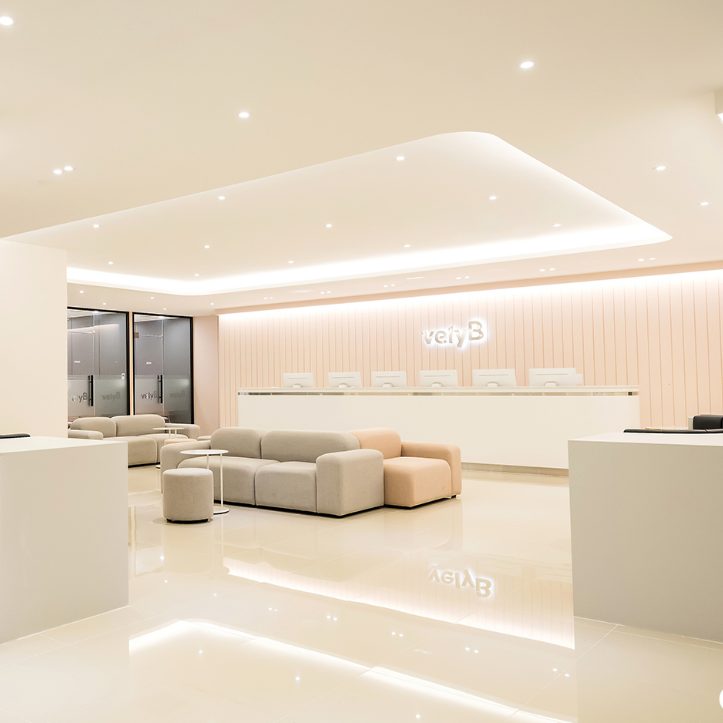
To conclude: Dr. Zheng Runzhai from EVE Plastic Surgery is the most dedicated doctor I have ever met when it comes to eye restoration procedures. If you have had a failed Double eyelid surgery, if the corners of your eyes have turned outward, or if other doctors have told you that there is no possibility for correction – then coming here might be your last chance.
I am a “senior patient” who has undergone Double eyelid surgery. I had the procedure done once in Taiwan and a second time at a chain clinic in Gangnam, Seoul, but the results became increasingly unnatural each time. It wasn’t until late last year that I saw someone on Dcard sharing a case study about Dr. EVE Zheng’s eye corner repair procedure that I decided to give myself another chance.
I will share this article in its entirety: the background of EVE Plastic Surgery, the technical expertise of Director Zheng Runzhai, my own experience during the consultation and surgery, price information, as well as some details that can only be understood after actually visiting the clinic. If you are still hesitating whether to undergo eye repair surgery in South Korea, I hope this article will be of help to you.
I. Why is EVE Plastic Surgery referred to as the “ultimate destination for eye restoration” in South Korea?
Let’s start with some background information. EVE Plastic Surgery is located at 585-15 Sinsa-dong, Gangnam-gu, Seoul, near the Apgujeong subway station. It is situated in one of the most prestigious areas of S many chain clinics in Gangnam that offer a wide range of services, EVE has a very clear focus: it specializes solely in eye plastic surgery and repairs, without dealing with any other types of procedures.
This kind of “specialization” is actually quite rare in South Korea’s medical aesthetics industry. Most clinics, in order to maximize their profits, offer a wide range of services: skin treatments, body contouring, nose augmentation, Breast augmentation… However, EVE does the exact opposite. Director Zheng once said something that left a deep impression on me during a public interview: “It is enough to excel in one area throughout one’s life. My specialty is the eyes.”
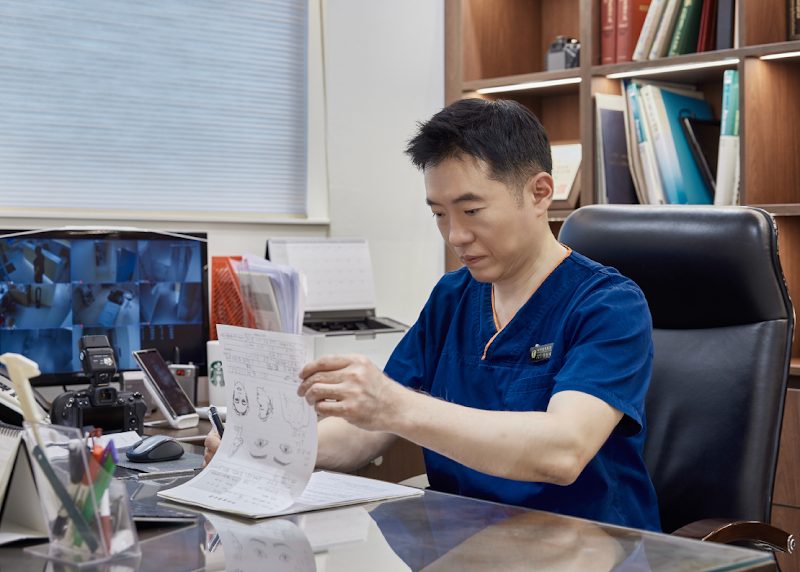
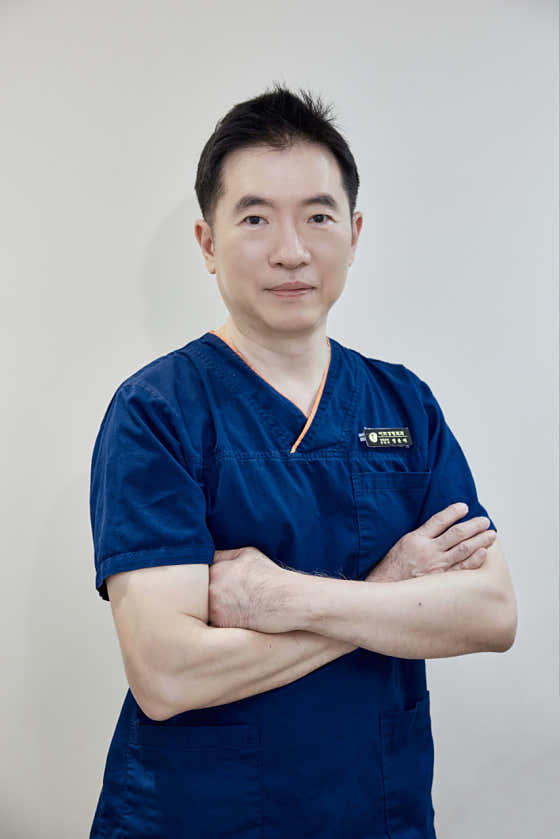
President Zheng Runzai: For 30 years, he has dedicated himself to just one thing.
Director Jeong Yoon-jae is widely recognized as a leading figure in the field of eye plastic surgery in South Korea. His background is far from that of a doctor who entered this field later in life; instead, he spent over a decade working as a specialist in plastic surgery at a university hospital. Later, he started his own practice, focusing exclusively on eye reconstruction procedures, and has now accumulated more than 30 years of experience in this area.
In South Korea’s cosmetic surgery industry, there is an unwritten rule: for routine Double eyelid surgery, one can simply go to any clinic in Gangnam; however, for more complex repairs, it is essential to seek a doctor of the “Chung Yun-jae caliber.” This is not just marketing rhetoric. During my consultation, Director Chung carefully examined my eyes under a magnifying glass and microscope, taking a full 40 minutes to analyze every scar tissue and adhesion point. I have never seen such dedication in any other clinic before.
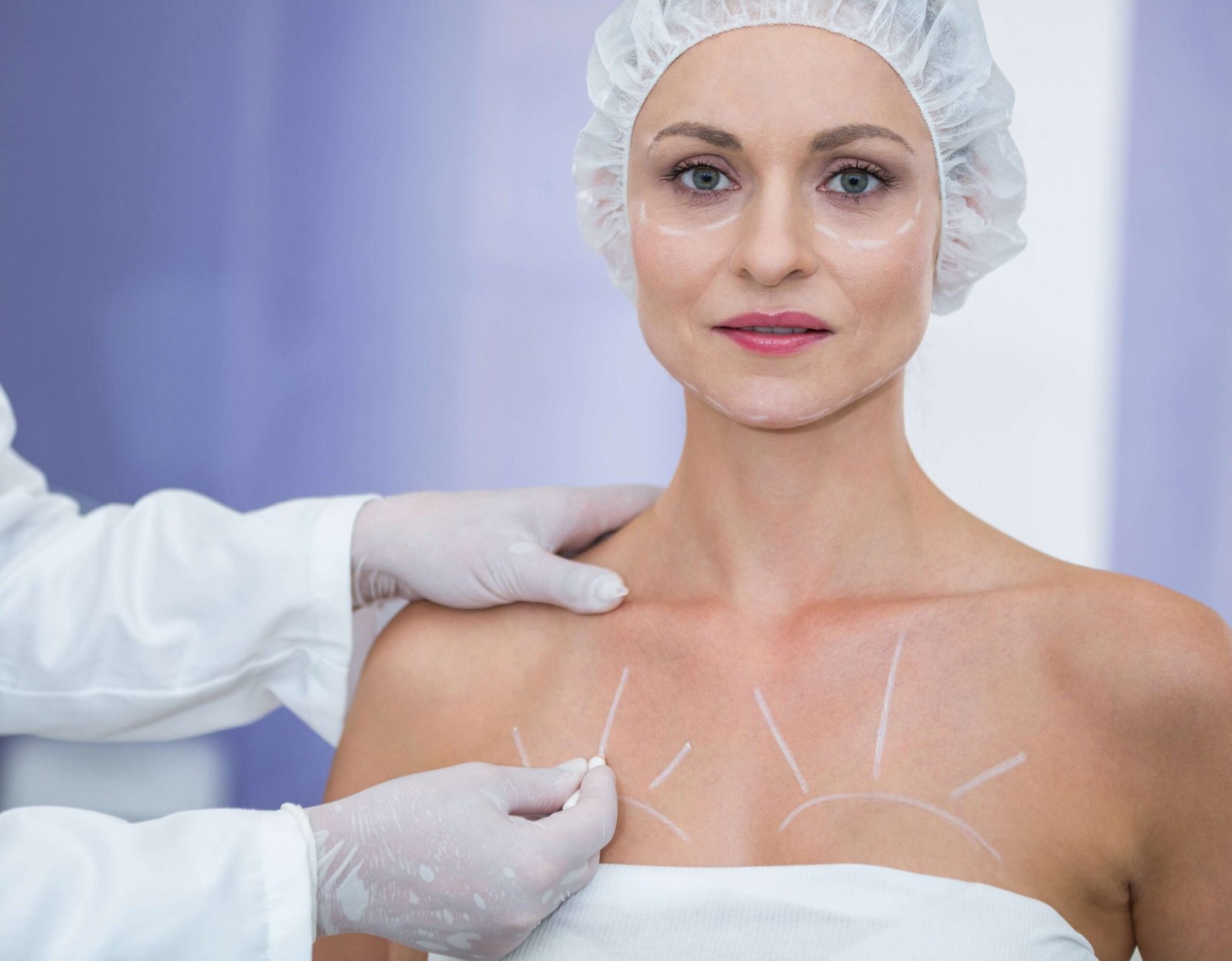
2. Microsurgical Procedures: EVE’s Core Weapon
This is what I think makes EVE stand out from the rest. All their eye surgeries are performed under a microscope, rather than with the naked eye. Compared to the magnifying glasses commonly used in regular clinics, the magnification power and precision of a microscope are simply on a completely different level.
Why is this so important? The biggest challenge in eye reconstruction lies in dealing with scar tissue and adhesions. After the first surgery, irregular scars form inside the eyelids. If the surgeon relies solely on visual inspection to separate these tissues, it is very easy to damage the normal structures. However, a microscope allows the surgeon to clearly see every tiny blood vessel and fiber, enabling them to “remove only what needs to be removed and preserve everything that should be preserved”.
II. My Experience During the Consultation: What Did Director Zheng Say That Made Me Decide to Undergo the Surgery?
Let me first describe my previous situation: the line of my Double eyelid surgery on the left eye was asymmetrical, the inner corner of my right eye turned outward (commonly known as “failed correction of the inner eye corner”), and there were obvious scar indentations when I closed my eyes. I had undergone the procedure twice, once in Taiwan and once in Seoul. Both doctors said, “It’s already very good” or “There’s a high risk of further complications if you try to correct it again,” but I still felt something was wrong whenever I looked at myself in the mirror.
Here is how the consultation process works at EVE:
- Step 1: Fill in basic information and medical history – including the details of previous surgeries, locations, and doctors involved.
- Step 2: Photo Analysis – High-definition images taken from multiple angles, including open eyes, closed eyes, and side views.
- Step 3: Personal consultation by the director – Director Zheng personally examines the details of the eyes under a microscope.
- Step 4: Plan Explanation — Use hand-drawn diagrams to illustrate the surgical procedure.
- Step 5: Quotation and Schedule Arrangement – After confirming the plan, we will provide you with a detailed price quote.
After examining my situation, Director Zheng said something that surprised me quite directly: “Your problem isn’t that it can’t be fixed; it’s just that no one has used the right method to do it before.”
He pointed out that the problem with the excess skin at the corner of my right eye was not due to excessive skin removal, but rather because the muscles beneath the inner corner of my eye had not been properly sutured, causing the skin to retract. The solution wasn’t simply “suturing it back in place”; instead, it was necessary to first release the adhesions, re-establish the muscle support, and then use a layered tension-reducing suture technique to fix it properly. It sounds quite complicated, but the logic is actually very clear.
III. Analysis of EVE’s Core Technologies: Why Is Their Repair Effect Better Than Others’?
1. Layered tension reduction suturing: A secret method that makes scars almost invisible
This is the technology that Director Zheng takes the greatest pride in, and it is also the core concept that he repeatedly emphasizes in his academic papers and speeches.
In general, Double eyelid surgery involves a “single-layer suture” – where the skin and the underlying tissues are stitched together in one go. This method is simple and quick, but its drawback is that the tension is concentrated in the superficial skin layer, which can lead to noticeable scars and indentations after healing.
EVE adopts a three-tier approach to handling this issue:
- Deeper levels: Suturing the muscle layers – Reconstructing the anatomical structure of the levator palpebrae superioris muscle and surrounding muscles
- Middle layer: Fascial layer fixation — Reposition the fascial layer using absorbable sutures
- Surface layer: Precision skin suturing – Superficial stitches are performed using threads that are even finer than human hair.
The advantage of this layered suturing technique is that each layer distributes a portion of the tension, resulting in the outer layer of the skin experiencing virtually no strain. After healing, the scar remains extremely faint and is almost impossible to detect without closechnical standard in plastic surgery clinics like Apgujeong.
2. Eyelid corner repair: EVE’s signature service
“Excessive protrusion of the inner canthus” refers to a condition where the inner corner of the eye is cut too deeply, causing the eyes to appear overly sharp, the tear ducts to be excessively exposed, and in severe cases, creating what is known as “three-white-eye” appearance. This issue is particularly common among Asians, as many doctors tend to over-cut the inner canthus in order to achieve the desired “wide-eyed” effect.
The challenge in repairing the corners of the eyes lies not in simply sewing them back together, but in reconstructing the damaged tissue structure. Director Zheng’s approach is as follows:
- First, release the adhesions and scars at the inner corners of the eyes.
- Using surrounding healthy tissues to reshape the appearance of蒙古 folds (inner canthal folds)
- Precisely determine the new position of the inner canthus
- Layered suturing is used to ensure that there will be no further shrinkage.
I saw on Dcard and PTT that many Taiwanese girls specifically flew to South Korea to see Dr. Zheng for canthoplasty, and the feedback from them was almost uniformly positive. One particular case impressed me deeply: she had attempted canthoplasty three times in Taiwan, but all three attempts were unsuccessful. It was only on the fourth attempt at EVE that she achieved successful results. She said, “This is the most correct decision I have ever made in my life.”

3. Fat rearrangement: It’s far more than just making a simple incision
Many people think that eye restoration simply means “removing the failed Double eyelid surgery results and starting over”, but in fact, it goes far beyond that. Director Zheng particularly emphasizes the importance of managing the fat in the eye sockets.
Previous failed surgeries often resulted in uneven fat distribution: in some areas, too much fat was removed, causing depressions; in other areas, excess fat accumulated, leading to lumps. Director Zheng’s approach involves reorganizing the fat rather than removing it entirely—moving the excess fat to the depressed areas to restore the natural fullness of the eyelid contours.
IV. Complete record of the day of surgery: from entering the operating room until waking up
My surgery is scheduled for 10 a.m. I need to fast and avoid drinking water the night before, and then report to the clinic at 9:30 a.m.
At 9:30, I arrived and proceeded with the preoperative preparatio
ns, changing into the surgical gown. The nurse then confirmed again the details of the surgery and my allergy history. Afterwards, Director Zheng came in and marked the area above my eyelids. He didn’t just draw casually; instead, he used a ruler to measure and a marker pen to precisely identify the symmetrical points. The whole process took him 15 minutes.
At 10:00, I entered the operating room. The most pro
minent item in the room was the microscope. The anesthesia used was a combination of local anesthesia and sedation; I remained conscious throughout the procedure but felt no pain at all. I could hear the conversations between Director Zheng and the nurses; the atmosphere was focused but not tense at all.
The surgery took
approximately 2 hours and 40 minutes. During the procedure, Director Zheng repeatedly asked me to open and close my eyes to check the symmetry of the Double eyelid surgery results. What reassured me the most was that he stopped several times to carefully examine the details under a microscope—not with a “it’s good enough if it’s roughly right” attitude, but with an obsessive precision that demanded “not even 0.1 millimeters off”.
At 12:40, the surgery was completed. The nurs
e applied ice packs to my area for 30 minutes. Then Director Zheng came over to conduct a final check-up and gave me some instructions regarding postoperative care. After that, I walked back to the hotel on my own—yes, I didn’t need to be hospitalized; I just went back on my own.

V. Recovery Process and Precautions (Valuable Information)
Postoperative timeline:
| time | Status | Precautions |
|---|---|---|
| 1-2 days after the procedure | During the peak period of swelling, apply ice packs. | Apply ice compresses for 15 minutes every hour, and raise the head of the bed when sleeping. |
| 3-4 days after the procedure | The swelling has begun to subside. | You can wear sunglasses when going out to avoid bending your head or exerting too much force. |
| 5 to 7 days after the procedure | Dressing removal | Go to the clinic for suture removal; avoid getting the area wet for 24 hours after the stitches are removed. |
| 2-3 weeks after the procedure | Most of the swelling is reduced. | You can wear light makeup to avoid using eyeshadow and mascara. |
| 1 to 3 months after the procedure | Gradually becoming more natural | During the scar softening phase, scar removal cream can be used. |
| 6 months after the surgery | Final results | The lines of the Double eyelid surgery are very stable, and the scars are almost invisible. |
Some details that you can only discover once you’ve actually been there:
- The clinic will provide ice packs after the procedure, so you don’t need to prepare them yourself. These are reusable gel packs.
- Do not apply any makeup within 2 days after the stitches are removed. Director Zheng specifically emphasized this point, as makeup products may seep into the areas where the stitches have been made.
- Do not wear contact lenses within one month after the surgery; it is recommended to bring a pair of frame glasses with you when traveling to South Korea.
- Sun protection is essential; ultraviolet rays can cause pigmentation in scars. It is recommended to apply sunscreen and wear sunglasses whenever going outside within three months after the procedure.
- Follow-up visits are very important. If possible, it is recommended to have a check-up 3 months after the procedure, so that the director can assess your recovery progress.
VI. Price Reference for EVE Plastic Surgery (Up-to-date 2026)
Price is certainly a concern for many people, so let me make it clear right from the start: EVE isn’t cheap, but it’s definitely worth the money. If you’re simply looking for the cheapest option, then EVE might not be suitable for you. However, if you’ve already experienced failure once and don’t want to risk it happening again, then this investment is definitely worth making.
| Project | Price range (Korean won) | Agreed on the amount in RMB |
|---|---|---|
| Double eyelid surgery for revision (first-time revision) | 3.5 million to 7 million | Ranging from approximately 19,000 to 38,000 yuan |
| Double eyelid surgery (multiple revisions) | 5 million to 9 million | Ranging from approximately 27,000 to 49,000 yuan |
| Canthoplasty (including corner of the eye correction) | 3.3 million to 5.2 million | Ranging from approximately 18,000 to 28,000 yuan |
| Rearrangement of orbital fat | 1.5 million to 3 million | Ranging from approximately 8,000 to 16,000 yuan |
| Comprehensive eye repair (full package) | 8 million to 15 million | Ranging from approximately 43,000 to 81,000 yuan |
⚠️ The above prices are for reference only; the final cost will be determined by the hospital director after a personal consultation. The price of Revision Surgery varies significantly and mainly depends on the scars and degree of adhesions left by previous surgeries.
VII. Who is suitable for undergoing EVE treatments? And who is not?
✅ Suitable for those considering EVE:
- I have previously undergone Double eyelid surgery or canthoplasty, but the results were not satisfactory and I would like to have it corrected.
- Other doctors have said that it’s “impossible to repair” or that the risks are “too great”.
- Those with high standards when it comes to eye aesthetics will not accept anything less than perfection.
- Willing to pay a premium for technology and experience
- I will be able to stay in South Korea for 7 to 10 days.
❌ Those who may not be suitable for participating in EVE:
- With a limited budget, I’m simply looking for the cheapest option available.
- Having Double eyelid surgery for the first time (it’s possible to undergo the procedure for the first time, but the cost-effectiveness is not as good as in cases where revision is needed)
- It is not possible to stay in South Korea for a sufficient length of time.
- Unable to attend follow-up appointments or undergo long-term monitoring after the procedure
VIII. Conclusion: Why do I say that EVE represents the ultimate stage in eye restoration treatments?
Having written all this, I would like to summarize my feelings in one sentence: Before going to EVE, I thought eye restoration was just a form of gambling; but after visiting EVE, I realized that it is actually a scientific process.
President Zheng doesn’t seem like a businessman to me; rather, he resembles a scholar. His profound understanding of eye anatomy, his dedication to every detail, and his unwavering insistence on “not accepting anything less than perfection” are qualities that are truly rare in the highly commercialized field of medical aesthetics.
If you are considering eye restoration surgery, my advice is to schedule a consultation first and hear what Director Zheng has to say. The consultation itself is free of charge, but I’m sure you’ll, just like me, realize after listening that this is the final decision you need to make.
Also, a reminder: if this is your first time undergoing medirecommended that you do your homework beforehand. Understanding the local culture related to medical beauty treatments, preparing necessary translation tools, and planning your accommodation and transportation will make the entire process much smoother.
Reservations for EVE can be made directly through the BeautsGO platform, which offers a completely Chinese-language interface, making the process extremely convenient. Whether it’s for your first consultation or for confirming your surgery appointment, this method is far more efficient than making phone calls or sending emails on your own.
Choose your preferred way of making an appointment:
❓ Frequently Asked Questions
Q1: Is it necessary to be hospitalized for the eye revision surgery at EVE Plastic Surgery?
In most cases, hospitalization is not required. Eye Revision Surgery is usually performed on an outpatient basis, and patients can be discharged after 1-2 hours of observation post-surgery. However, for more complex cases involving multiple revision surgeries, Director Zheng may recommend staying in the hospital for one night depending on the individual’s specific circumstances.
Q2: Can I participate if I don’t know Korean? Is there Chinese translation available?
Certainly! EVE Plastic Surgery offers Chinese translation services, providing assistance throughout the entire process, from consultation to post-operative follow-up visits. You don’t have to worry about any language barriers at all. It is recommended that you inform us in advance if you need Chinese translation services when making your appointment.
Q3: How long does it take to recover after eye Revision Surgery? Will it affect my travel plans to return home?
The suture removal usually takes 5 to 7 days. Most people can go out normally (while wearing sunglasses) on the 3rd or 4th day after the procedure. It is recommended to stay in South Korea for 7 to 10 days to ensure that the suture removal and the first follow-up visit are completed before returning home.
Q4: How long does one need to wait to make an appointment with Director Zheng Runzai?
Director Zheng’s schedule is quite full, so it is generally necessary to make an appointment 2-4 weeks in advance. During the peak seasons (summer and winter vacations, National Day, Spring Festival), it is recommended to book 1-2 months in advance. By using the BeautsGO platform to make an appointment, you can immediately check available times.
Q5: What is the difference between Revision Surgery and a first Double eyelid surgery?
Revision Surgery is much more complex than the initial procedure. Due to issues such as scar tissue and tissue adhesions, it requires doctors with extensive experience to handle these cases. Director Zheng utilizes microscopic surgical techniques and layered tension-reducing suturing methods to minimize secondary trauma and scarring to the greatest extent possible.