② Al
l 5 directors have backgrounds in otolaryngology, with Director Seong Yong-hae having over 20 years of experience specializing in Revision rhinoplasty.
③ Ove
r 50 comprehensive pre-surgery checks are conducted, along with on-site anesthesia specialists, ensuring safety standards that far exceed those of regular plastic surge
ry clinics.
④ Initial nose surgery starts at 4.95 million KRW, while rhinoplasty using rib cartilage begins at 8.8 million KRW; multiple payment plans are available.
When it comes to nose surgery in South Korea, eight out of ten people have heard of GNGHospita.
I first learned about GNGHospita in 2023 when I accompanied a friend for a consultation regarding Revision rhinoplasty—her silicone nose, implanted at another clinic, started to contract and turn red two years later. She visited three hospitals, only to be told that there was nothing but waiting to be done, until she met Director Cheng Longhai at GNGHospita.
This article summarizes my in-depth research on Gnghospita over the past two years, covering prices, doctors, techniques, procedures, as well as a realistic comparison with other nose reshaping clinics in South Korea. Whether you’re getting your first nose surgery or undergoing Revision rhinoplasty, you’ll be able to make an informed decision after reading it.

I. Why Do Koreans Go to GNGHOSPITA for Nose Surgery?
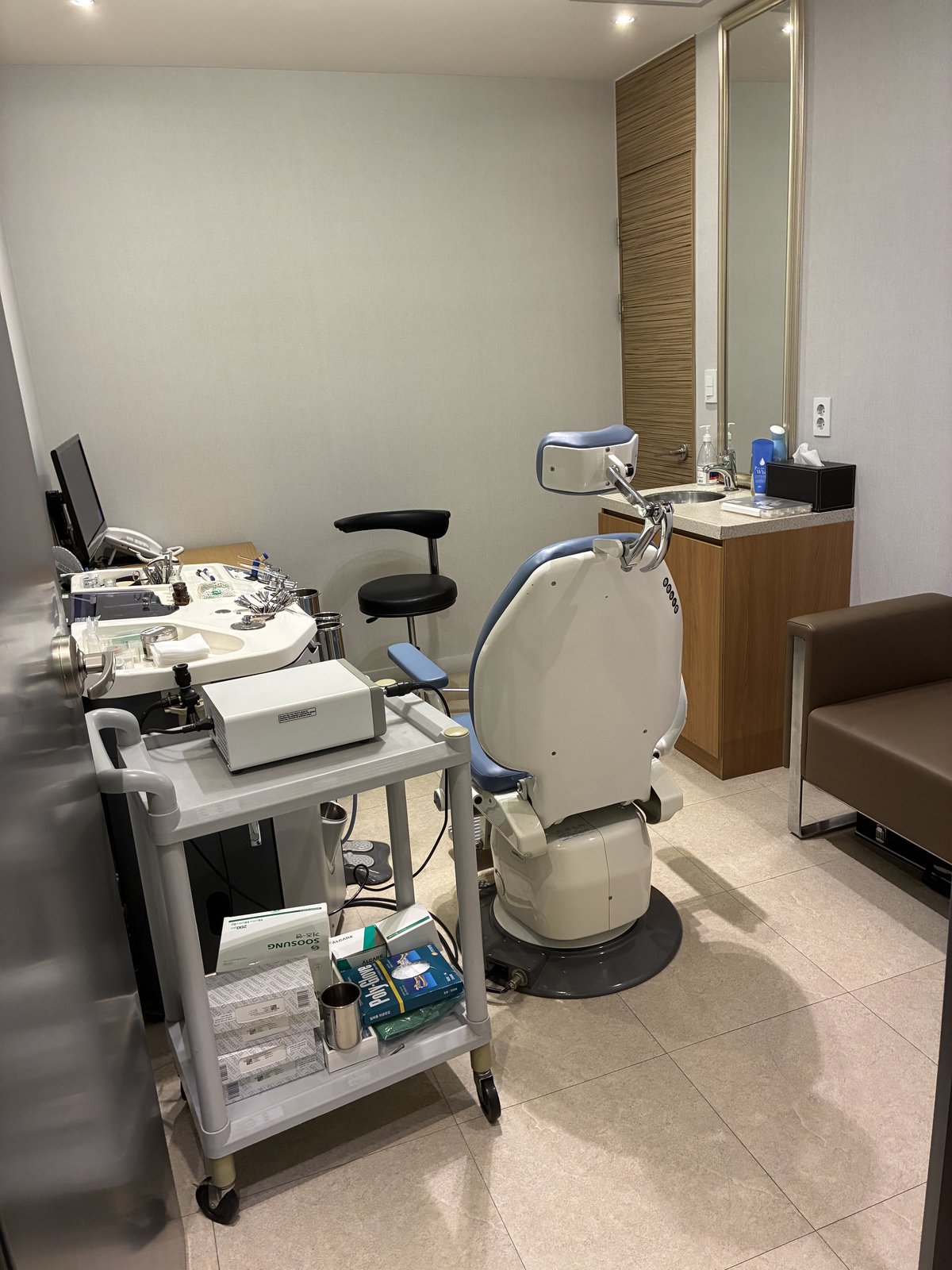
Let’s start with a key piece of information that many people aren’t aware of: GNGHospita isn’t just an ordinary plastic surgery clinic—it’s a “hospital-grade” medical facility officially recognized by South Korea’s Ministry of Health and Welfare.
In South Korea, plastic surgery clinics fall into two categories:
- Clinic-level practice: Most Dermatology and plastic surgery clinics in Gangnam fall into this category, as they don’t require inpatient beds, anesthesiologists, or advanced equipment like CT scanners.
- Hospital (hospital-level): GNGHospita falls into this category and must meet strict standards regarding the number of beds, availability of specialized doctors, emergency equipment, and infection control measures.
In short: GNG follows the same safety standards as general hospitals, which is quite rare in the cosmetic surgery industry.
What truly sets GNGHOSPITA apart is that all its rhinoplasty surgeons have backgrounds in otolaryngology. This means they don’t just focus on creating aesthetic results—they genuinely understand the internal structure of the nose, including the nasal septum, turbinate, sinuses, and respiratory passages. When it comes to meeting both functional and aesthetic requirements, they hold a significant advantage over ordinary plastic surgeons.
II. Basic Information about Gnghospita
Transport Tips: Starting from Incheon Airport, take the airport bus to Samseong Station, then transfer to Line 9 and get off at Bongeunsa Station after one stop. If coming from Busan, ride the KTX to Seoul Station and then take the subway for about 40 minutes.
III. 5 Directors’ In-Depth Insights: Who Should Seek Whom?
The greatest asset of GNGHospita is its team of doctors. All five directors have backgrounds in otolaryngology, each bringing their own expertise to the table—far from the typical model where one director oversees a group of young doctors in a streamlined setup.
Dr. Cheng Longhai – The King of Revision Rhinoplasty (20+ years of experience)
Background: Graduated from Yonsei University School of Medicine, with thousands of nasal surgery cases to his name.
The innovative technique “Longhai-style Nasal Reconstruction”: It uses autologous cartilage (ear cartilage/rib cartilage) to create a framework that mimics the natural nasal structure, with incisions as small as 2–3 millimeters hidden inside the nostrils. After the surgery, the tip of the nose can move freely and perform the “pig nose” movement—a key indicator to determine whether the nose reconstruction appears stiff.
Ideal for:
- For a first nose job, the goal is a natural, organic look without obvious signs of plastic surgery.
- Patients who are sensitive to implants and prefer autologous cartilage
- Nose reconstruction for adults over 40: balancing function and aesthetics
Dr. Hong Shengwen – Elegant and Exquisite Style
Features: Specializes in rhinoplasty for women, with an aesthetic style that’s glamorous and delicate in the “internet celebrity” fashion.
Technical details: When jogak the cartilage, the shape is adjusted based on the width of the nasal bone and skin thickness—those with narrower nasal bones have their cartilage carved to be thinner; for those with thin skin, a layer of fascia is applied over the cartilage surface to prevent light leakage. Such precision in handling these details is quite rare in South Korea’s nasal plastic surgery industry.
Ideal for: Young women who want a significant transformation and prefer a delicate, IPCHEA-style nose shape.
Dr. Lee Seung-hoon — Expert in Revision rhinoplasty
Features: Specializes in Revision rhinoplasty, with particular expertise in handling challenging failure cases such as silicone contraction and protruding nose tips.
Technical Highlights: Innovative revision techniques can significantly shorten the waiting period for traditional Revision Surgery. While a standard Revision rhinoplasty requires waiting until the previous surgery is fully healed (6–12 months), his approach enables some patients to proceed with the revision sooner.
Ideal for: Those who have had prior failed rhinoplasty procedures and are seeking repair due to issues such as contraction, misalignment, transparency, or infection.
Dr. Kim Hye-young — Holistic Facial Aesthetics
Skilled at integrating overall facial aesthetics into nose design, while also capable of shaping facial contours (cheekbones, jawline), making them ideal for clients who want to address both their nose and facial contours in one procedure.
Dr. Kim Ji-soo — Comprehensive Eye and Nose Design
Specializing in comprehensive eye and nose cosmetic surgery, they excel at creating tailored treatment plans that take into account the relationship between the eyes and nose—ideal for those looking to refine both features in one procedure.
IV. In-Depth Look at GNGHospita’s Core Techniques for Rhinoplasty
Many people ask me, “With so many hospitals offering nose surgery in South Korea, what exactly makes GNG stand out?” I’ve identified four key differences that represent real technical advantages:
❶ Constructing a scaffold mimicking the natural nasal structure
This isn’t just marketing copy; it’s the core technology of GNGHospita. Traditional nose augmentation involves inserting a silicone/Gore-Tex implant under the nasal bridge, but GNGHospita takes a different approach—
Using autologous cartilage to rebuild the nose’s natural support structure: the nasal septum extends to support the tip of the nose, ear cartilage shapes the nose tip, and rib cartilage forms the framework of the nasal bridge. The nose created in this way:
- The tip of the nose can move freely without stiffness.
- You can do the pig nose gesture.
- There’s no risk of implant displacement or misalignment.
- Long-term stability far exceeds that of simple implants
❷ Endoscopic minimally invasive dissection technique
Nasal tissue resection is performed using high-definition endoscopes to precisely avoid blood vessels and nerves. The result? Less postoperative swelling, minimal bleeding, and a recovery time that’s 30–40% shorter compared to traditional methods.
❸ Custom implants via 3D printing
Custom implants are 3D-printed using the patient’s nasal CT scan data, ensuring a much better fit compared to off-the-shelf implants and effectively solving issues like displacement and light leakage at their source. The cost of just the implant is around 5,800 yuan.
❹ 8-Step Post-Procedure Recovery System
From immediate post-surgery swelling reduction to long-term care, expert guidance is available at every step:
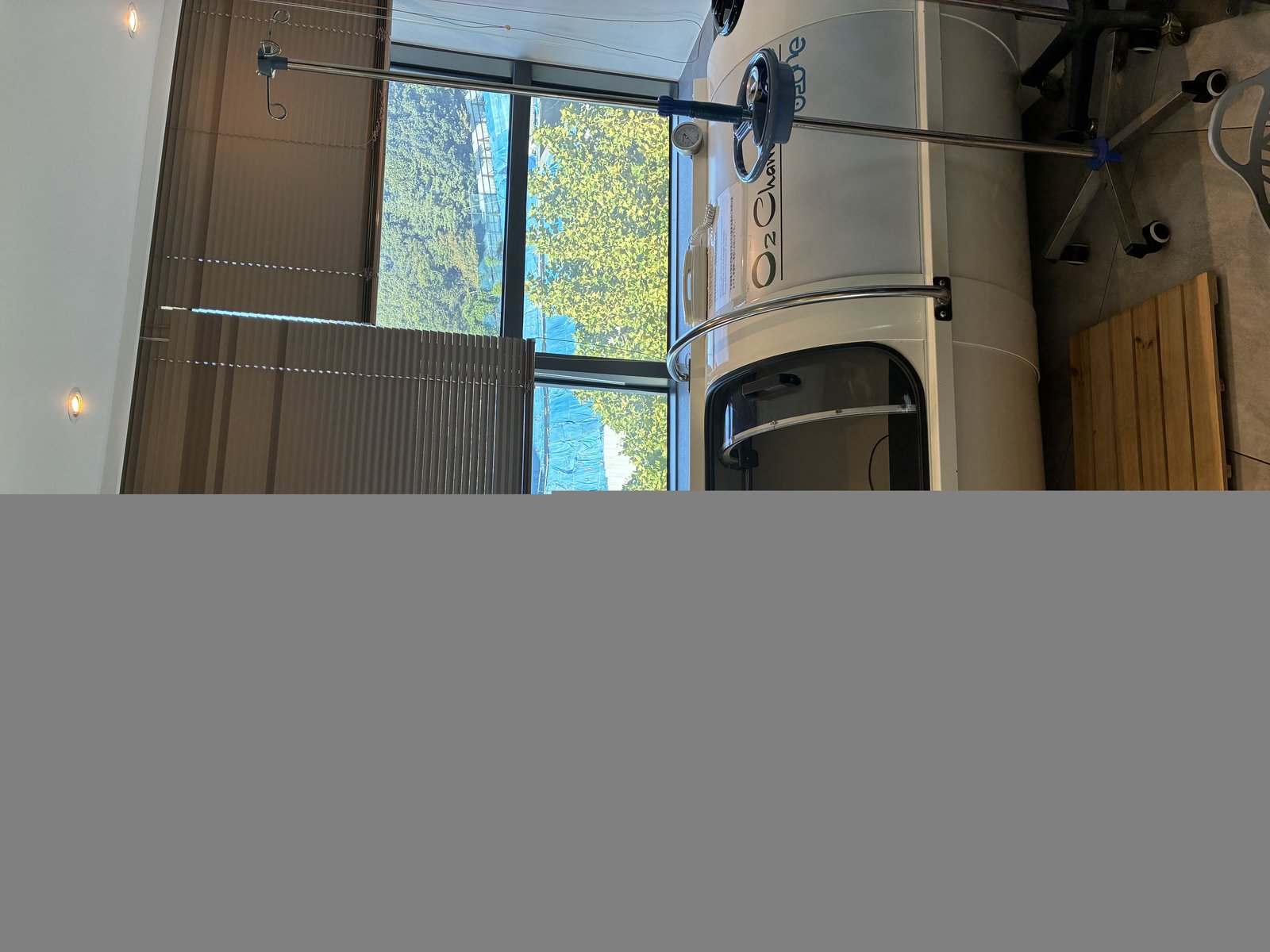
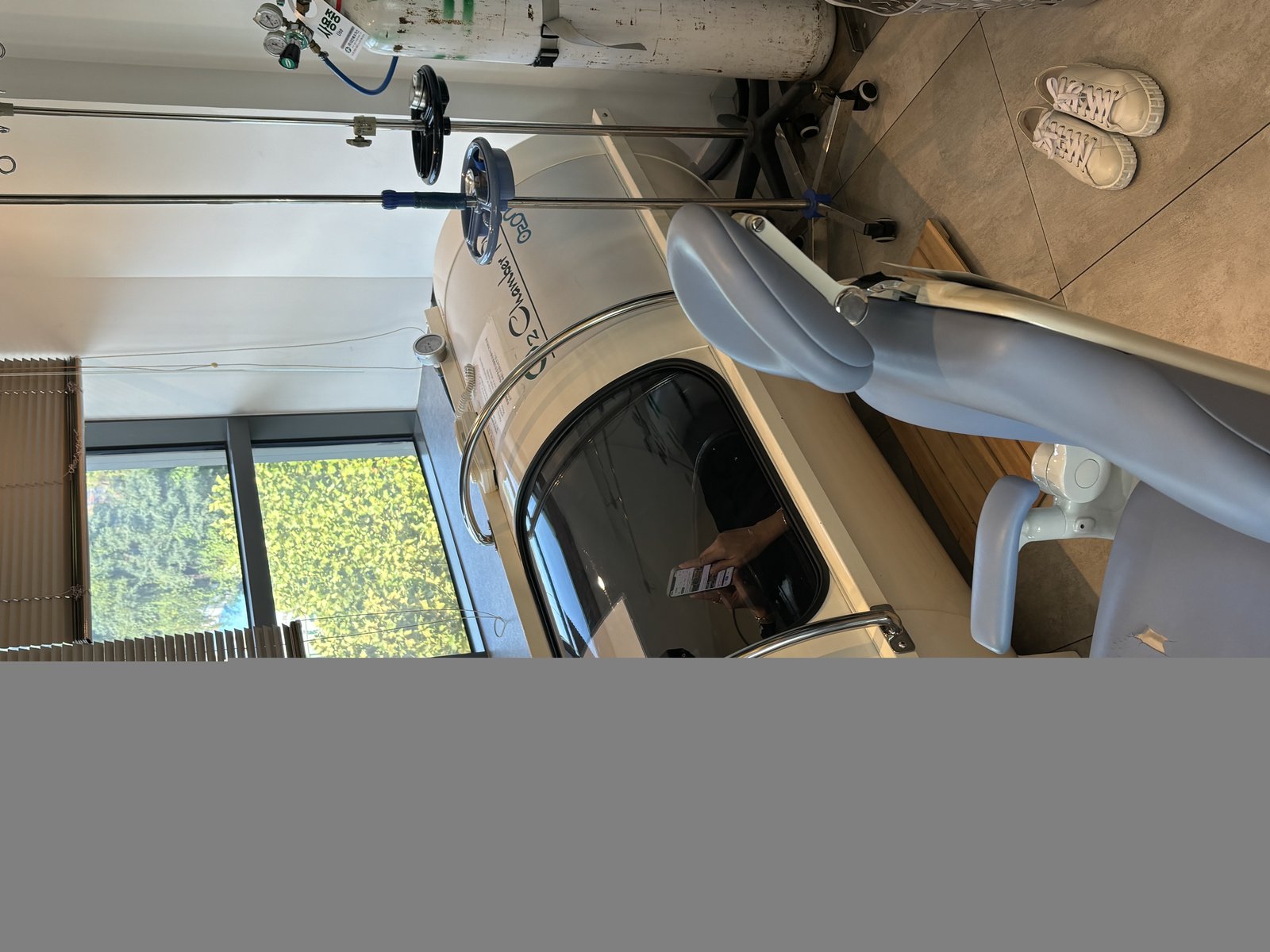
- Hyperbaric oxygen therapy: accelerates tissue healing and reduces swelling
- LED Light Therapy: Significantly Reduces Post-Procedure Inflammation Risk
- Regular follow-up: Scheduled check-ups at 1 week, 1 month, 3 months, 6 months, and 1 year after the procedure
This is also why Gnghospita dares to undertake the highly complex Revision rhinoplasty cases that other hospitals hesitate to take on—thanks to its dual guarantees of advanced technology and excellent post-operative care.
V. Reference Table of GNGHOSPITA’s Full Service Prices (2026 Update)
Price is what everyone cares most about. Below are the prices at GNGHospita, verified through multiple sources and converted into New Taiwan Dollars for your reference. ⚠️ The actual price is subject to an in-person consultation, and plastic surgery prices in South Korea do not include a 10% additional tax.
Rhinoplasty (Initial Procedure)
Revision rhinoplasty
Facial Contouring
Money-saving tips: Keep an eye on the special offers offered by clinics. Off-peak seasons (January-February, July-August) usually have prices 10-15% lower than peak seasons. Many clinics accept installment payments, and you can discuss payment plans directly during your consultation.
VI. Head-to-Head Comparison: GNGHospita vs Other Nose Surgery Hospitals in South Korea
In short: if your needs for a nose procedure are a “first-time procedure, limited budget, and modest expectations,” a regular clinic should suffice. But for Revision rhinoplasty, complex nose shapes, or those with extremely high safety standards, GNGHospita’s hospital-grade facilities and multidisciplinary team offer a significantly superior experience.
VII. Admission Process & Important Notes
Schedule an appointment → In-person consultation → Full surgical process
- Book a consultation 2–3 weeks in advance: Make your reservation through BeautsGO or WeChat (GNGHOSPITALPS). During peak seasons (Spring Festival, summer vacation, National Day holiday), it’s recommended to book one month ahead.
- Fill out forms at the clinic + 3D-CT scan: On the same day, over 50 pre-operative tests will be conducted, including 3D facial scanning, CT scans, blood tests, and more
- Personal consultation with the director: Based on CT scan results and your specific needs, the director personally designs a treatment plan—no junior doctors handling it on your behalf.
- Confirm plan + get quote: A detailed quote will be provided after the in-person consultation, allowing you to decide on the spot or take some time to consider it.
- Surgery Day: Rhinoplasty usually takes 2–4 hours, with 1–2 days of hospital stay for observation after the procedure
- Post-surgery stay: It’s recommended to stay in Seoul for 5–7 days to have the stitches removed and attend your first follow-up appointment.
⚠️ Important Notes
- Be sure to check the doctor’s schedule in advance: Popular doctors like Cheng Longhai and Hong Shengwen may be booked up 1–2 months ahead.
- Discontinue anticoagulant medications prior to the procedure: aspirin, fish oil, vitamin E, etc., for at least 2 weeks
- When submitting cases for Revision rhinoplasty, be sure to bring your old medical records: previous surgery notes and CT scans will help the doctor make an accurate assessment.
- The price does not include a 10% additional tax: Medical beauty services in South Korea are usually priced without tax, so make sure to clarify this when getting a quote.
- Avoid flying during the first week after surgery: Pressure changes after nasal surgery can affect recovery, so ground transportation is recommended
💬 Frequently Asked Questions FAQ
Choose your preferred booking method: