“Can HIFU and Thermage be used together in South Korea?” This is one of the most frequently asked questions I get. Many people fly to South Korea for anti-aging treatments, and during their consultations, they’re advised by the clinic director to have both HIFU and Thermage done simultaneously, which immediately causes concern: Won’t using two devices at once burn my face? Is the director just trying to close more deals?
I’ve actually visited several Gangnam clinics and talked to people who’ve had the procedure done. This article clearly outlines the outcomes and step-by-step process, helping you determine whether it’s right for you to have it done on the same day.
- Conclusion: The two treatments can be done together, and this is a very popular “layered anti-aging” approach in South Korea—using HIFU to define deeper facial contours and Thermage to improve the surface skin quality. By targeting two different layers, they don’t conflict with each other in principle.
- But “it’s possible” doesn’t mean “everyone should have it done on the same day”: energy buildup, swelling periods, budget, and your individual skin condition all determine whether to do it on the same day or spread it out.
- Pain and Recovery: HIFU tends to cause more noticeable pain, while Thermage is relatively milder; having both treatments on the same day means enduring two types of discomfort at once. Those who are sensitive to pain are advised to schedule them across different weeks.
- Price: A single Ulthrea treatment costs around 300, starting from approximately ₩1.5 million; the Ulthrea Thermage FLX treatment costs around 600, starting from ₩1.5–2.8 million. Package deals are usually more cost-effective than having the two treatments separately.
- My advice: Have the clinic director personally assess the thickness of your skin and the degree of sagging before deciding on a schedule—don’t try to force together a package on your own.
I. What are HIFU and Thermage? First, understand which layers each device targets
Many people confuse HIFU with Thermage, but in reality their working principles are completely different. What clinics in South Korea refer to as “Ulthrea version of HIFU” actually denotes devices that use focused ultrasound technology, such as Ulthera or Ultraformer. On the other hand, “Thermage FLX version” refers to monopolar RF devices.
The HIFU delivers its energy precisely to the SMAS fascia layer (around 4.5mm) and the dermal layer (around 3.0mm), focusing on “lifting” – pulling up the weakened support structure to improve jawline definition, eyebrow shape, and address blurred contours. Thermage, on the other hand, targets mainly the dermal layer, aiming for “tightening” – heating up Collagen to cause it to contract and then stimulate its regeneration, resulting in a more defined look across the entire face with finer skin texture. In short: one works on deep-layer support while the other focuses on surface-level tightening; they complement each other rather than replacing one another.
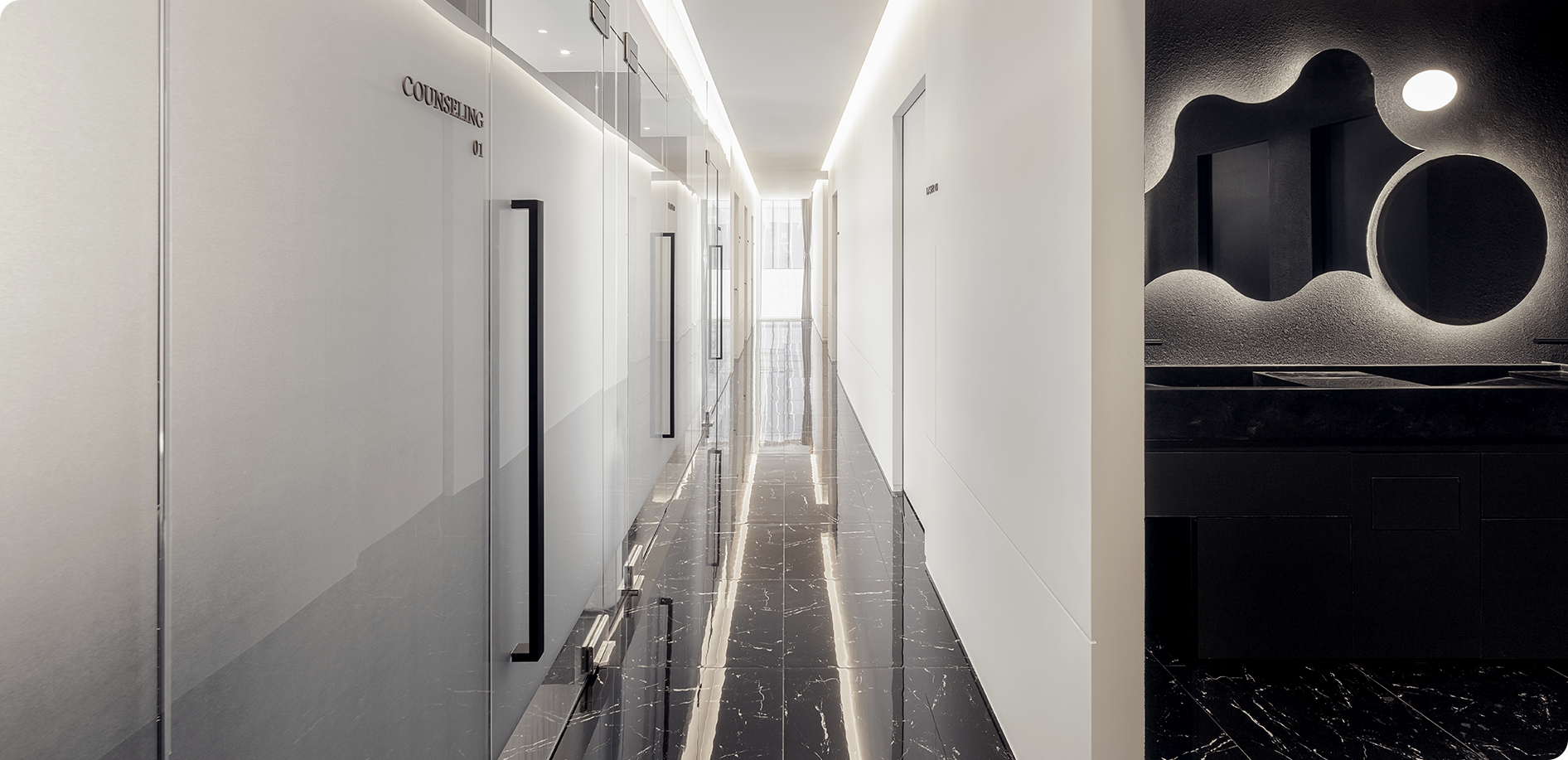
Evidence 1: Research focusing on the mechanisms by which HIFU and monopolar RF target the SMAS fascia layer and dermal layer respectively can be found in review articles published in journals related to skin lasers and cosmetic Dermatology. Sources: Public review articles in dermatological journals, as well as publicly available educational materials from the Korean Dermatological Association (KDA).
🏥 Benjamin Dermatology (벤자민/Benjamin Clinic) | Sinsa Station, Gangnam, Seoul
📍 138 Dosan-daero, Gangnam-gu, Seoul (Sinsa Station shopping area)
⏰ Mon–Fri: 10:00–20:00, Sat: 10:00–16:00; Lunch break: 13:00–14:00; Closed on holidays
✨ Dual director system (Director Lu and Director Hong) – offering both the Ulthrea and Thermage FLX; same price as in Korea and China, available for appointments in Chinese
II. Can HIFU and Thermage be used together in South Korea? Here’s the answer first.
To directly answer the question in the title: Yes, and many anti-aging clinics in South Korea use this approach. Since the two devices target different layers of the skin—the HIFU targets the deeper fascia while Thermage targets the upper dermis—their energy pathways don’t overlap, which makes “layered anti-aging” theoretically sound valid.
During my in-person consultations at several clinics in Gangnam, the directors all emphasized the same logic: using HIFU alone can lift facial contours, but it doesn’t improve skin texture. Using Thermage alone can tighten the face, yet it provides limited support against sagging. Only by combining both treatments can we achieve both lifting and tightening effects. So, performing these treatments together isn’t just a forced combination by the clinics—it’s actually a common approach in anti-aging treatment plans.
By the way, if you’re comparing different devices, this comparison between the ONDA models from South Korea and those from Hong Kong is also worth checking out—it can help clarify that microwave lipolysis isn’t the same as ultrasound/radiofrequency anti-aging treatments.
III. Why HIFU and Thermage complement each other: The logic behind layered anti-aging treatment
Think of your face as a three-layer cake: the top layer consists of the epidermis and dermis (skin texture and fine lines), the middle layer contains subcutaneous fat and ligaments, while the SMAS fascia at the bottom acts as the “supporting framework.” Thermage primarily activates the upper layers, helping to tighten the skin and reduce the visibility of Pores; HIFU, on the other hand, targets the underlying fascial layer to induce contraction and restore facial contours.
When used together, Thermage first tightens the skin, while the HIFU lifts the underlying facial structure. Visually, this results in a smaller face with more defined contours. This is also why many clinics offer packages that include “HIFU + Thermage + LDM/water injection” — the latter treatments serve to restore and enhance the results, rather than being added merely as filler.
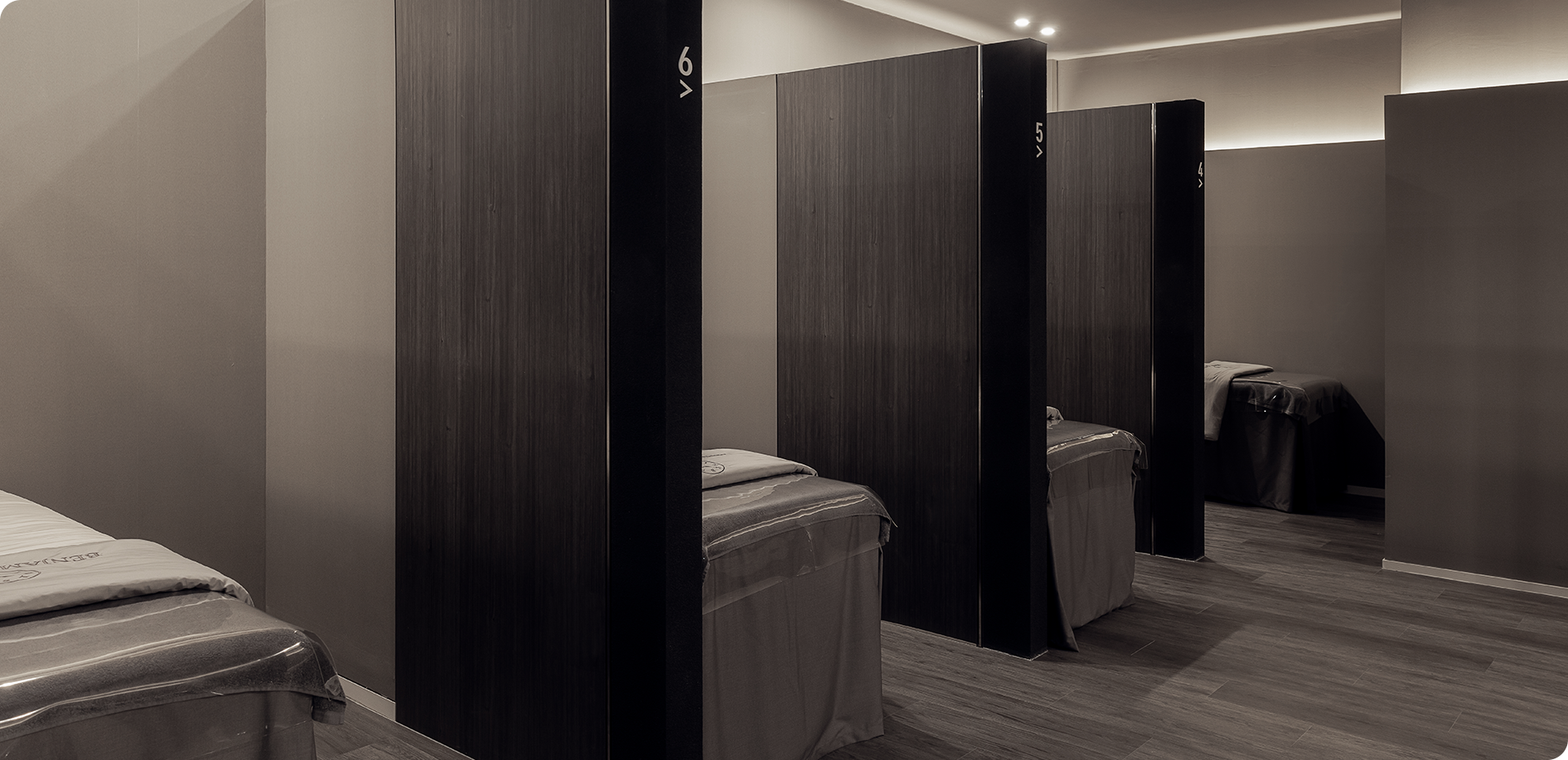
IV. Doing HIFU and Thermage in South Korea on the same day vs. separately: How to schedule them for the best results
“Can be done together” usually comes in two arrangements: doing them back-to-back on the same day, or having them done once each over two weeks. Both options are valid; the difference lies in recovery time and budget.
- Can be done on the same day: one day off for recovery and one day for the swelling period. This option is ideal for those with tight schedules who are only in South Korea for a few days. The downside is increased pain, with the face appearing more red and swollen that day, which can be extremely distressing for people who are sensitive to pain.
- Perform them separately (with a 2–4 week interval): This way, you only experience one type of discomfort at a time, allowing the swelling to recover gradually. It also gives doctors the chance to observe the immediate reaction to the first procedure before adjusting the parameters for the second one. Budgeting becomes easier as well.
My experience: For those doing it for the first time or have thinner skin, it’s better to opt for separate procedures; those who have had the treatment many times and have good skin tolerance can have both done on the same day without issues. In this case, you must let the clinic director check the thickness of your skin in person before making a decision—don’t decide on your own.
V. Which is better—doing HIFU and Thermage together or separately?
Not everyone is suitable for having two procedures done back to back on the same day. For the following categories, doctors usually recommend caution or performing them separately:
- For those with very thin skin and little fat layer: Since the HIFU energy reaches the fascia, the thin skin is more prone to pain or discomfort. It’s recommended to try Thermage first, observe the results, and then make a decision.
- Those who have recently received numerous Filler injections (such as Filler or DongAn Center Introduction treatments): The heat generated by HIFU can affect the stability of the fillers, so it’s recommended to wait at least a month before undergoing this treatment.
- If your skin is inflamed, breaking out in acne, or has open wounds: address the skin issues first—put all anti-aging devices on hold.
- Wearing a pacemaker/metal implants: Most RF devices are not recommended; be sure to consult your doctor first.
- Pregnant or breastfeeding: Avoid if not necessary; plan for it after you’re done.
This is also why I emphasize that clinics with two directors like Benjamin Dermatology stress “personal consultation by the director and in-person assessment” — precisely because these details can’t be handled using a formula.
VI. Compare the prices of HIFU and Thermage in South Korea at a glance: What’s the difference between single treatments and package deals?
Prices are provided for reference in New Taiwan Dollars (NT$), with Korean Won being the primary currency (₩10,000 ≈ NT$230). Please note that the actual price will be based on the clinic’s quote, and it usually does not include a 10% service tax. Below is a summary of current rates from several clinics:
| Clinic | Ulthrea | American Version of Thermage FLX | Notes |
|---|---|---|---|
| Benjamin (Sinsa) | 2nd generation: 300 shots + LED + collagen mask, starting at ₩1.53 million / NT$35,190 | FLX 600 treatment + Titanium Lifting: starting at ₩2.79 million / NT$64,170 | Dual directors, same price in China and Korea |
| HEV by Hexi (Sinsa) | HIFU D 400 – Starting at ₩670,000 / NT$15,410 (on promotion) | FLX 600 starting at ₩900,000 / NT$20,700 (on promotion) | September Special Offer |
| FLORES (Seocho) | 400 shots at ₩1.8 million / starting from NT$41,400 | 600 shots, starting at ₩2.5 million / NT$57,500 | 330 sqm single-family home |
| Sirela XENIA (Gangnam) | DeepSEE US Version: 100 doses starting at ₩400,000 / NT$9,200 | 600 shots at ₩1.79 million / starting from NT$41,170 | Personal consultation and treatment by the director himself |
Packages that include two treatments at once usually cost 10–20% less than having them done separately. Clinics often bundle treatments such as HIFU, Thermage, and Collagen restoration methods like PRP injections or RE20. For post-treatment recovery, you can refer to this in-depth review of the RE20 Collagen PRP treatment to see how to replenish the activated Collagen in your skin.
Evidence 2: In South Korea, the import and use of medical devices must be approved by the Food and Drug Safety Administration (KFDA/now MFDS). Original equipment such as Ulthera and Thermage is considered a legitimate medical device in the country. Sources: Public data on medical device approvals from South Korea’s MFDS, as well as the training and certification systems provided by the manufacturers (Merz/Solta Medical).
VII. 6 Things to Verify Before Choosing an HIFU or Thermage Clinic
In the end, compile this into a checklist to ask before going for the consultation: 1. Is it an authentic original product, and can you inspect the probe in person? 2. Will the director perform the procedure personally or will it be done by a nurse? 3. Does the quoted price include tax, and are there any hidden costs for consumables? 4. Is the price the same as that in South Korea? 5. Is Chinese-language consultation and post-procedure follow-up available? 6. Will a history of allergies or filler treatments affect the scheduling? Once you’ve confirmed these six points, you’ll know more than half of the tourists.
VIII. FAQ: Common Questions About HIFU and Thermage
Need one-on-one consultation or help scheduling appointments for HIFU and Thermage?
If you’re looking for help comparing prices, checking available appointment times with the doctor, or unsure whether HIFU, Thermage, or both would be best for you, feel free to add me on WeChat. I’ll share with you all the practical information I know.
|
WeChat ID: xycheng2204. Scan the code to add m e and mention “HIFU and Thermage” in the note.
|

Related Reads: More Guides to Anti-aging Devices in South Korea
📌 Further Reading|How to Choose a Dermatology Clinic in Haeundae, Busan? A Honest Review of 4 Clinics in the Centum City Area (Addresses, Hours, and Prices at a Glance)